Your Axolotl's Gills Are a Health Dashboard
Gills are the best visible health indicator for axolotls. Learning to read them helps you catch problems before they become serious.
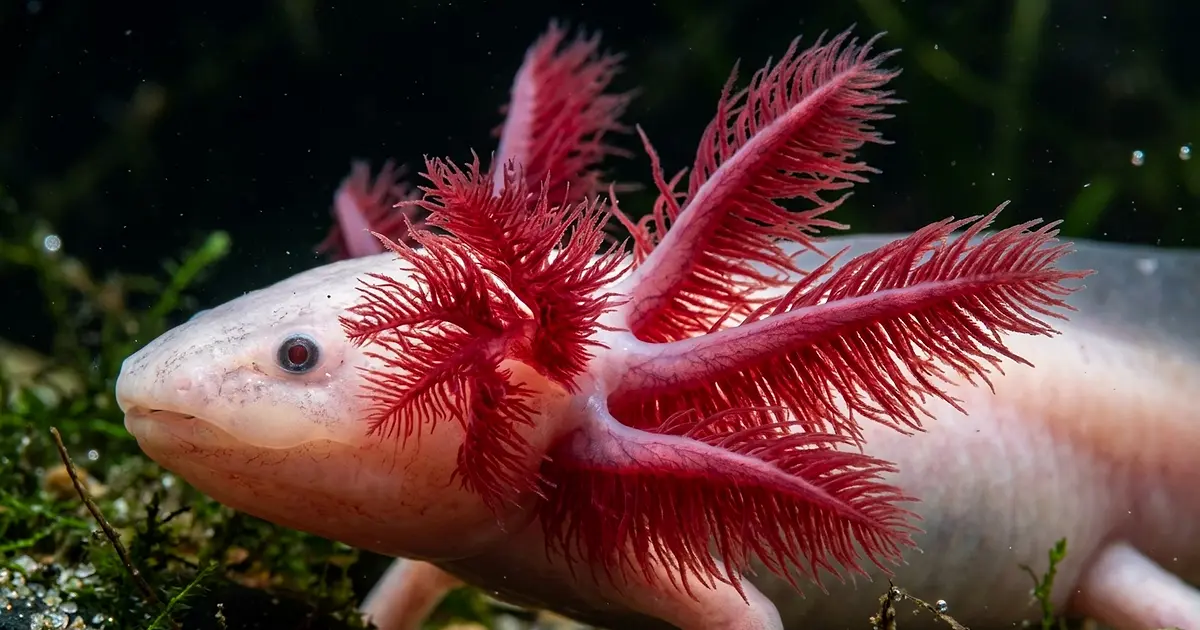
Healthy axolotl gills are full and fluffy with long, feathery filaments, pink to deep red in color (from blood flowing through the filaments), symmetrical across all six gills, and responsive (the axolotl flicks them occasionally to increase water flow).
Warning Signs and What They Mean
| Sign | Meaning | Common Causes | Action |
|---|---|---|---|
| Curled tips (forward) | Acute stress/irritation | Ammonia, nitrite, temp change | Test water, water change |
| Shrunken/short gills | Chronic poor conditions | Long-term ammonia, warm water | Optimize all parameters |
| Pale/white gills | Reduced blood flow | Stress, cold shock, illness | Check temperature, evaluate health |
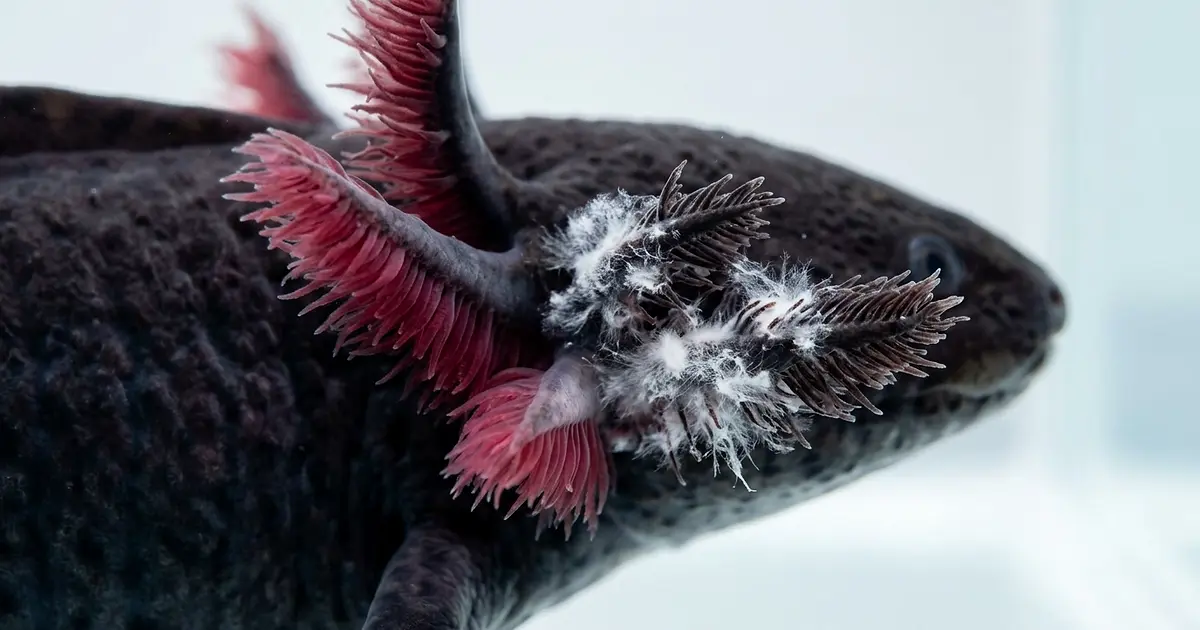
| White fuzzy patches | Fungal infection | Poor water + gill damage | Salt baths, clean water |
| Missing filaments | Severe gill loss | Tank mate nipping, severe fungus | Remove cause, clean water |
Curled tips (forward)
Meaning : Acute stress/irritation
Common Causes : Ammonia, nitrite, temp change
Action : Test water, water change
Shrunken/short gills
Meaning : Chronic poor conditions
Common Causes : Long-term ammonia, warm water
Action : Optimize all parameters
Pale/white gills
Meaning : Reduced blood flow
Common Causes : Stress, cold shock, illness
Action : Check temperature, evaluate health
White fuzzy patches
Meaning : Fungal infection
Common Causes : Poor water + gill damage
Action : Salt baths, clean water
Missing filaments
Meaning : Severe gill loss
Common Causes : Tank mate nipping, severe fungus
Action : Remove cause, clean water
Reading Each Warning Sign
Curled Gill Tips
Acute stress or irritation. Most often caused by ammonia/nitrite in water or sudden temperature change. Test water immediately.
Shrunken/Short Gills
Indicates chronic poor conditions over weeks or months. Long-term ammonia exposure, consistently warm water (above 22°C), or poor nutrition.
Pale/White Gills
Reduced blood flow or anemia. Check temperature (not too cold either), evaluate overall health and diet.
White Fuzzy Patches
Fungal infection. Poor water quality combined with gill damage. Treat with salt baths and improve water quality.
Missing Filaments (Bare Stalks)
Severe gill loss from tank mate nipping or severe fungal damage. Remove the cause. Gills will regenerate.
Gill Recovery Timeline
| Condition | Recovery With Good Care |
|---|---|
| Curled tips (stress) | 24-72 hours |
| Moderate shrinkage | 2-4 weeks |
| Severe shrinkage | 4-8 weeks |
| Missing filaments | 2-6 weeks |
| Fungal damage | 1-3 weeks (after treating infection) |
Curled tips (stress)
Recovery With Good Care : 24-72 hours
Moderate shrinkage
Recovery With Good Care : 2-4 weeks
Severe shrinkage
Recovery With Good Care : 4-8 weeks
Missing filaments
Recovery With Good Care : 2-6 weeks
Fungal damage
Recovery With Good Care : 1-3 weeks (after treating infection)
How to Keep Gills Healthy
Maintain water parameters: 0 ammonia, 0 nitrite, below 20 ppm nitrate
Keep water cool: 16-18°C is ideal for gill health and oxygen levels
Avoid strong water flow that stresses gills and forces them flat
Feed a balanced diet rich in protein for tissue maintenance
Avoid aggressive tank mates that nip at gills during feeding
Provide hides to reduce light stress and promote gill relaxation
Gills Regrow Fully
Axolotl gills can fully regenerate. Even if gill filaments are severely damaged or lost entirely, they will regrow once conditions improve. The key is fixing the underlying cause first (water quality, removing aggressive tank mates, treating infection), then giving time for recovery.
Full Disease Guide
Gill problems are often the first visible sign of a larger health issue. Learn about all common axolotl diseases and their treatments.
Check Symptoms
Our diagnostic tool covers gill issues
Frequently Asked Questions
Frequently Asked Questions
Why are my axolotl's gills so small?
Can axolotl gills grow back?
Related Articles
Axolotl Fungus: How to Identify & Treat It
White cotton-like growths on your axolotl? Learn to identify fungal infections, treat with salt baths and methylene blue, and prevent recurrence.
Read more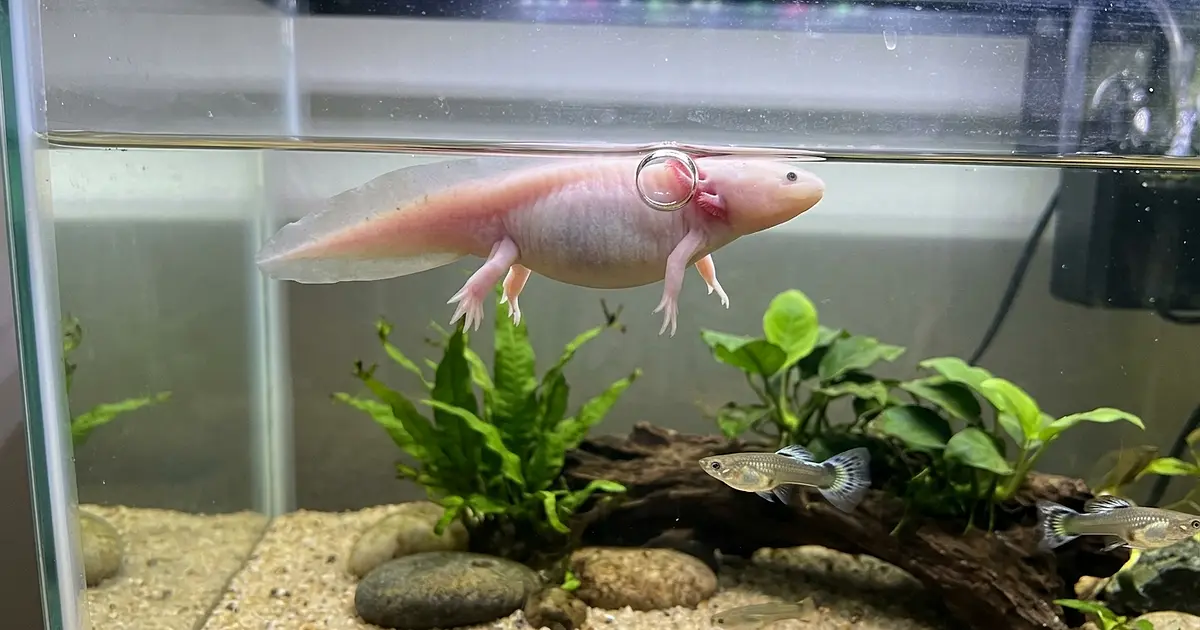
Why Is My Axolotl Floating? Causes & Solutions
Your axolotl is floating and cannot sink? Learn the common causes (air, constipation, infection) and step-by-step solutions to fix buoyancy problems.
Read more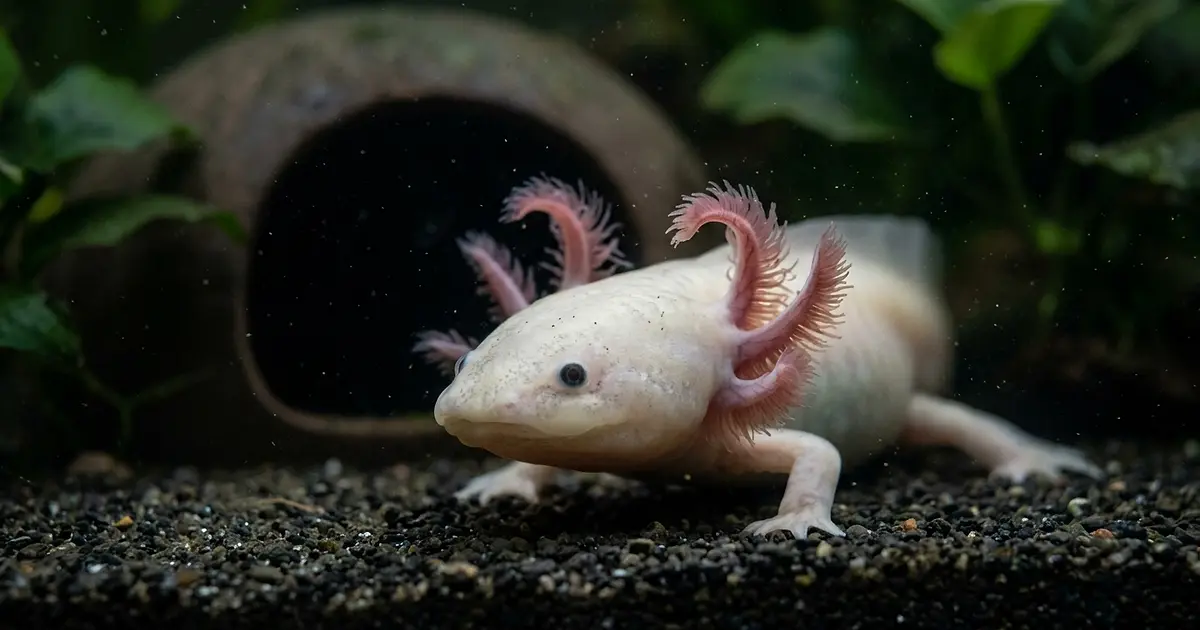
Axolotl Stress Signs: Curled Gills, Floating & More
How to recognize stress in your axolotl: curled gills, loss of appetite, frantic swimming, and pale color. Causes, prevention, and solutions.
Read more