Identifying Fungus on Your Axolotl
Fungal infections are one of the most common health issues in axolotls. The good news: caught early, they are very treatable.
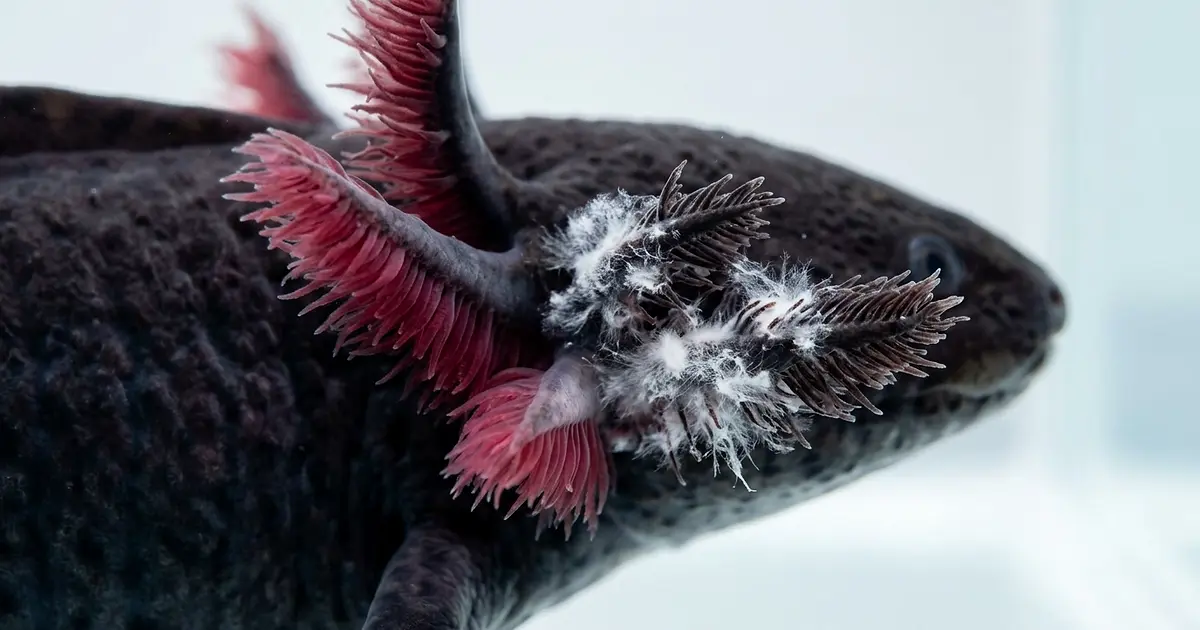
Fungus appears as white, fluffy, cotton-like growths. The most common locations are the gills (especially on filaments), limbs (especially toes or injured areas), tail tip (after nipping from tank mates), and less commonly the body (indicates advanced infection).
Fungus vs Other Conditions
Fungal Infection
- ✓White, fluffy, cotton-like texture
- ✓Usually on gills, limbs, or tail
- ✓Grows outward from the skin
- ✓Gets worse without treatment
Not Fungus
- →Normal slime coat (smooth, not fuzzy)
- →Shed skin (thin, transparent sheets)
- →Bacterial infection (smooth white patches)
- →These do not require salt bath treatment
What Causes Fungal Infections?
Treatment Protocol
Improve water quality first: test ammonia, nitrite, nitrate, pH. If ammonia or nitrite is above 0 ppm, do a 50-80% water change. This alone may resolve mild cases.
Prepare salt bath: mix 2-3 teaspoons of non-iodized salt per liter of dechlorinated tank water in a separate container. Dissolve completely.
Soak the axolotl: place in the salt bath for 10-15 minutes. Monitor closely for any signs of distress.
Return to main tank: gently move the axolotl back after the bath. Never add salt directly to the main tank.
Repeat daily for 5-7 days: continue salt baths until the fungus clears. Monitor progress daily.
If no improvement after 7 days: switch to methylene blue baths (1-2 drops per liter, 30 min soak, daily for 3-5 days).
Never Add Salt to the Main Tank
Salt baths must always be done in a separate container. Axolotls are freshwater animals and prolonged salt exposure is harmful. The salt bath is a concentrated, short-duration treatment only.
Fridging for Severe Cases
Prevention Strategies
Water Quality
Maintain optimal water parameters at all times. Test weekly and keep ammonia/nitrite at 0 ppm.
Regular Water Changes
Perform weekly 20-30% water changes with dechlorinated water at the same temperature.
Tank Hygiene
Remove uneaten food promptly. Clean decorations monthly. Keep the tank free of organic buildup.
Quarantine New Arrivals
Quarantine new axolotls for 2-4 weeks before adding to an existing tank to prevent disease spread.
Monitor Your Axolotl's Gills
Gills are the most common location for fungal infections. Learn to read gill health and catch problems early.
Use the Health Checker
Not sure if it's fungus? Run a quick diagnosis
Frequently Asked Questions
Frequently Asked Questions
What does axolotl fungus look like?
How long does it take to treat axolotl fungus?
Related Articles
Why Is My Axolotl Floating? Causes & Solutions
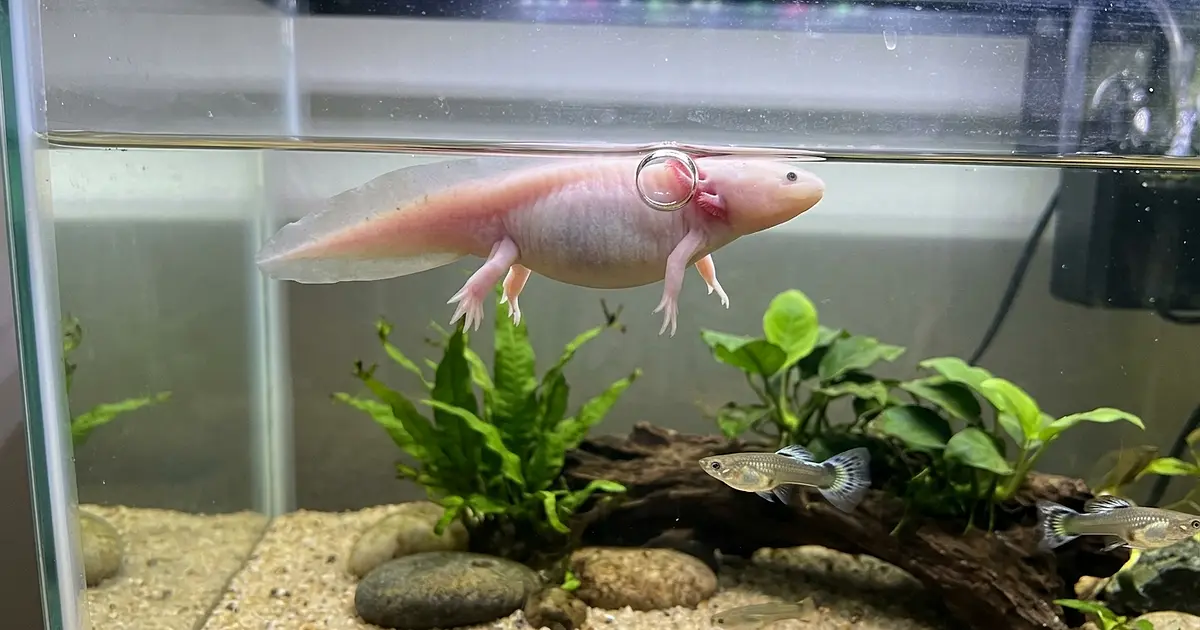
Your axolotl is floating and cannot sink? Learn the common causes (air, constipation, infection) and step-by-step solutions to fix buoyancy problems.
Read more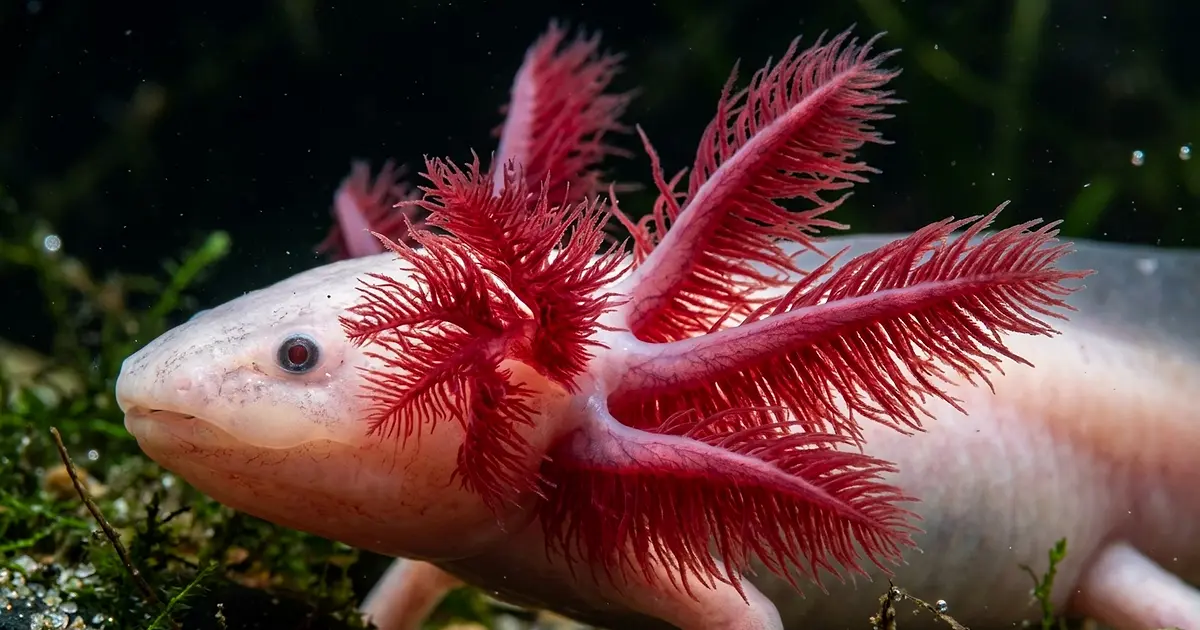
Healthy vs Unhealthy Axolotl Gills (Visual Guide)
How to read your axolotl's gills: what healthy gills look like, warning signs of disease, and how gills change with water quality and stress.
Read more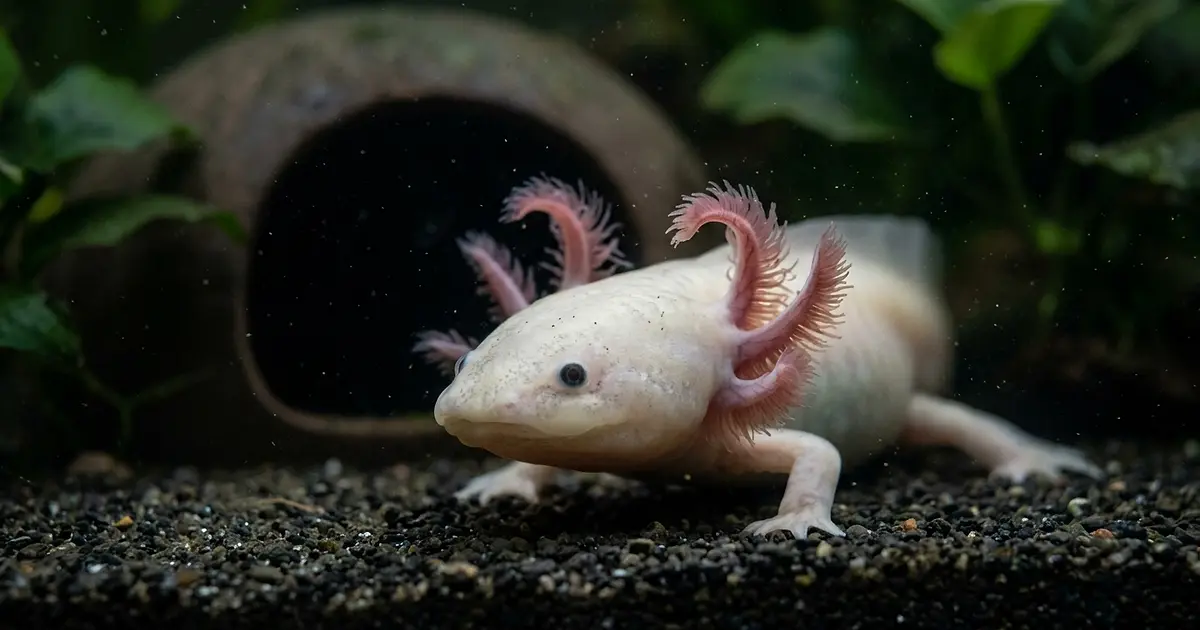
Axolotl Stress Signs: Curled Gills, Floating & More
How to recognize stress in your axolotl: curled gills, loss of appetite, frantic swimming, and pale color. Causes, prevention, and solutions.
Read more