
Understanding Axolotl Morphs
Axolotls come in a stunning variety of colors and patterns called morphs. Each morph is the result of specific genetic combinations that affect pigmentation.
There are five main types of pigment cells (chromatophores) in axolotls: melanophores (black/brown), xanthophores (yellow), iridophores (shiny/reflective), and two types that interact to create the incredible range of colors we see.
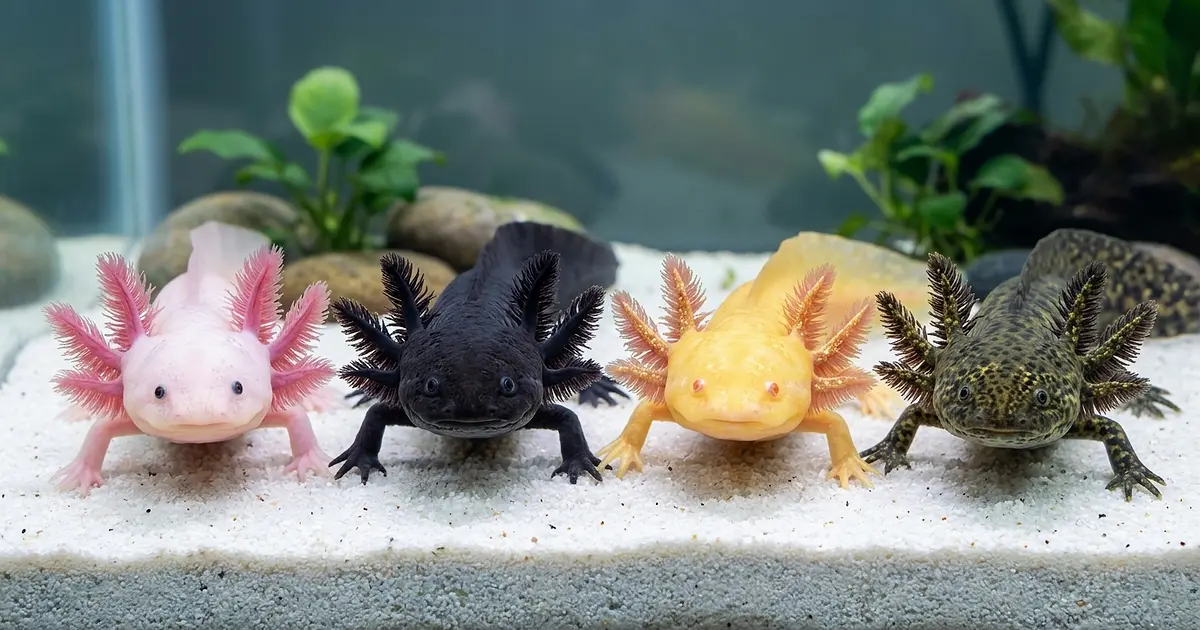
Common Axolotl Morphs
Leucistic (Lucy)
The most popular morph. Pale pink or white body with dark eyes. Not albino, retains dark eye pigmentation.
Wild Type
The natural coloration. Dark brown to olive green with gold speckles and a lighter belly. Most genetically diverse morph.
Melanoid (Black)
Solid dark gray to black with no shiny spots. Increased melanophores, no iridophores. Matte, velvety appearance.
Albino (Golden & White)
Golden yellow or pure white body with red/pink eyes. More sensitive to light than other morphs.
GFP (Green Fluorescent Protein)
Glow bright green under UV light. Carry a jellyfish gene. Under normal lighting, look identical to base morph.
Copper
Warm reddish-brown with lighter spots. A form of albinism allowing some non-melanin pigments. Darken with age.
Rare and Special Morphs
How Color Genetics Work
| Gene | Effect |
|---|---|
| D (dark) | Controls melanophore density |
| A (albino) | Removes melanin when homozygous recessive |
| M (melanoid) | Increases melanophores, removes iridophores |
| Ax (axanthic) | Removes yellow pigmentation |
D (dark)
Effect : Controls melanophore density
A (albino)
Effect : Removes melanin when homozygous recessive
M (melanoid)
Effect : Increases melanophores, removes iridophores
Ax (axanthic)
Effect : Removes yellow pigmentation
Genetics Help Predict Offspring
Does Color Affect Care?
Most Morphs
- ✓Identical care requirements
- ✓Same temperature range (16-20°C)
- ✓Same diet and feeding schedule
- ✓Standard lighting is fine
Albino Varieties
- →More sensitive to bright light
- →Need dimmer lighting or more hides
- →Floating plants help diffuse light
- →Red/pink eyes lack protective melanin
Explore Individual Morphs
Dive deeper into specific color morphs with detailed guides on appearance, genetics, care tips, and pricing.
Common Axolotl Morphs
Leucistic
White body, dark eyes
Most popularMelanoid
Solid black or dark gray
Golden Albino
Yellow-gold, red eyes
Albino
White/pink, red eyes
Wild Type
Brown-green with speckles
Copper
Light brown, copper tones
GFP (Glow)
Glow under UV light
SpecialMosaic
Mixed patterns, unique
RareCost by Morph
Common Morphs
Wild type, melanoid
$30 - $50
BudgetPopular Morphs
Leucistic, albino, golden
$40 - $75
Mid-rangeRare Morphs
Mosaic, piebald, chimera
$100 - $300+
CollectorArticles in This Section
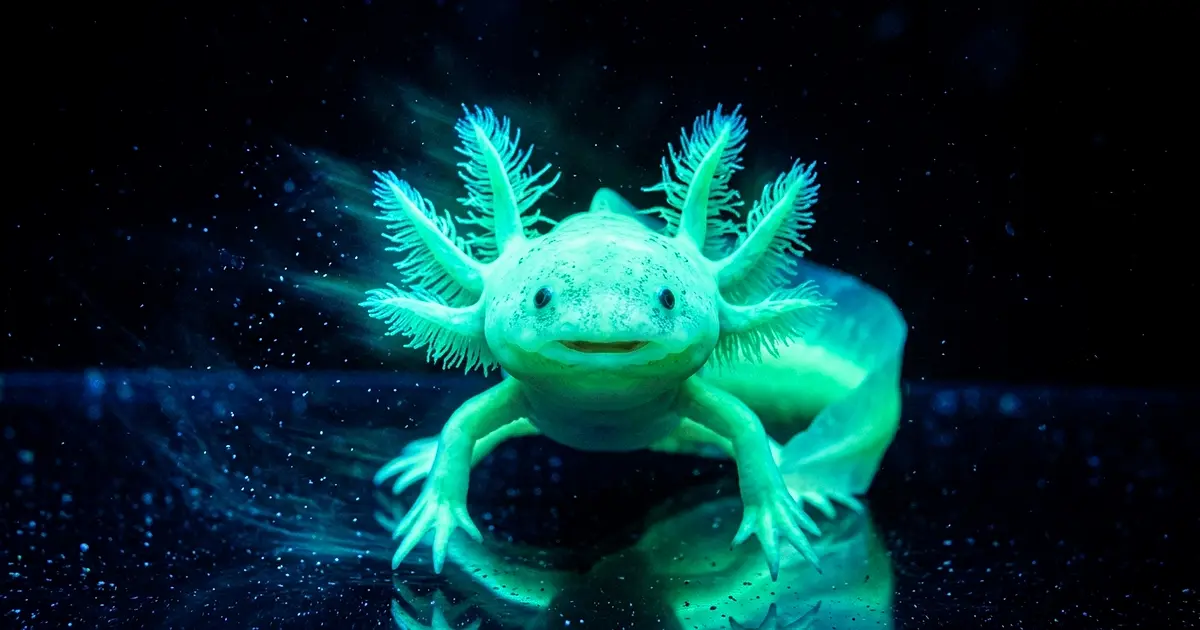
Blue Axolotl: Do They Really Exist?
The truth about blue axolotls. Learn why they appear blue in photos, what GFP means, and which axolotl morphs actually exist in real life.
Read more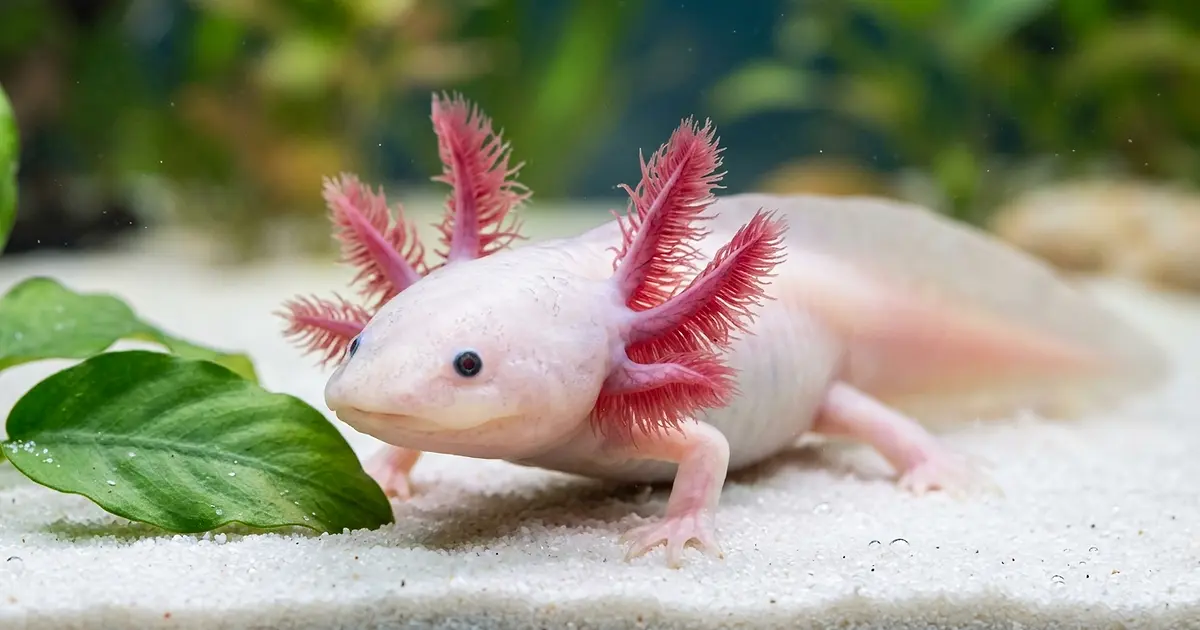
Leucistic Axolotl: The Most Popular Pet Morph
Leucistic axolotl (Lucy): the iconic pink-white morph with dark eyes. Appearance, genetics, dirty Lucy variant, albino comparison, pricing, and care tips.
Read more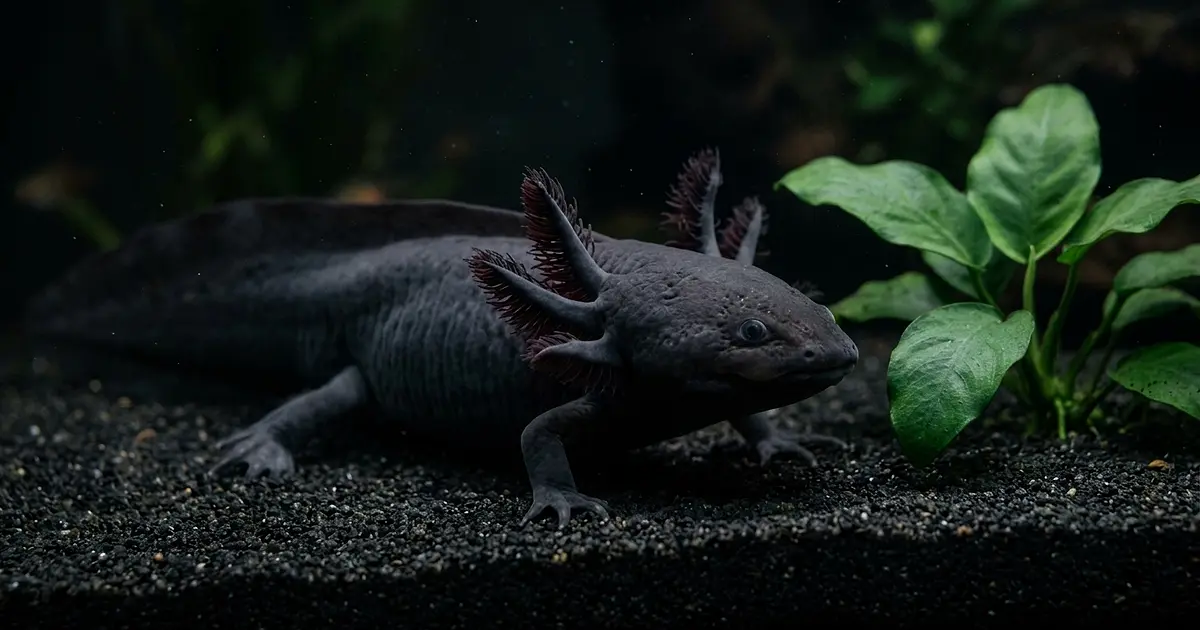
Melanoid Axolotl: The Black Morph Explained
Melanoid axolotl morph: solid black coloration without iridescent spots, melanoid genetics, matte appearance, pricing, and comparison with wild type.
Read more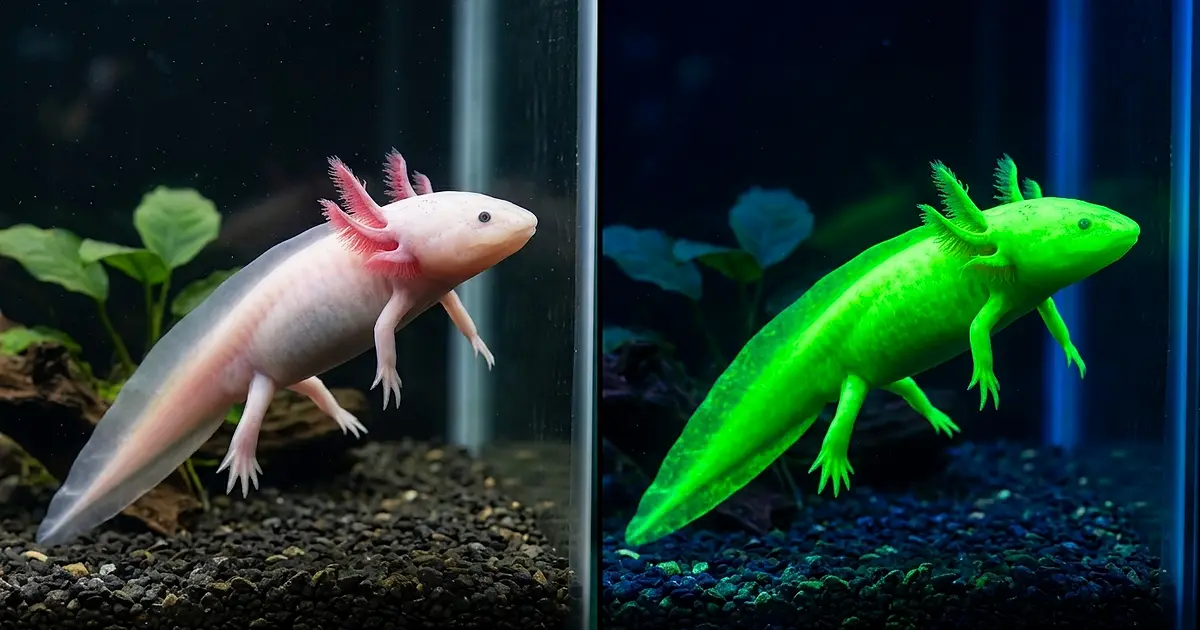
GFP Axolotl: How the Fluorescent Gene Works
GFP axolotls carry a jellyfish gene that makes them glow green under UV light. How it works, which morphs look best, safe UV viewing, and pricing by variant.
Read more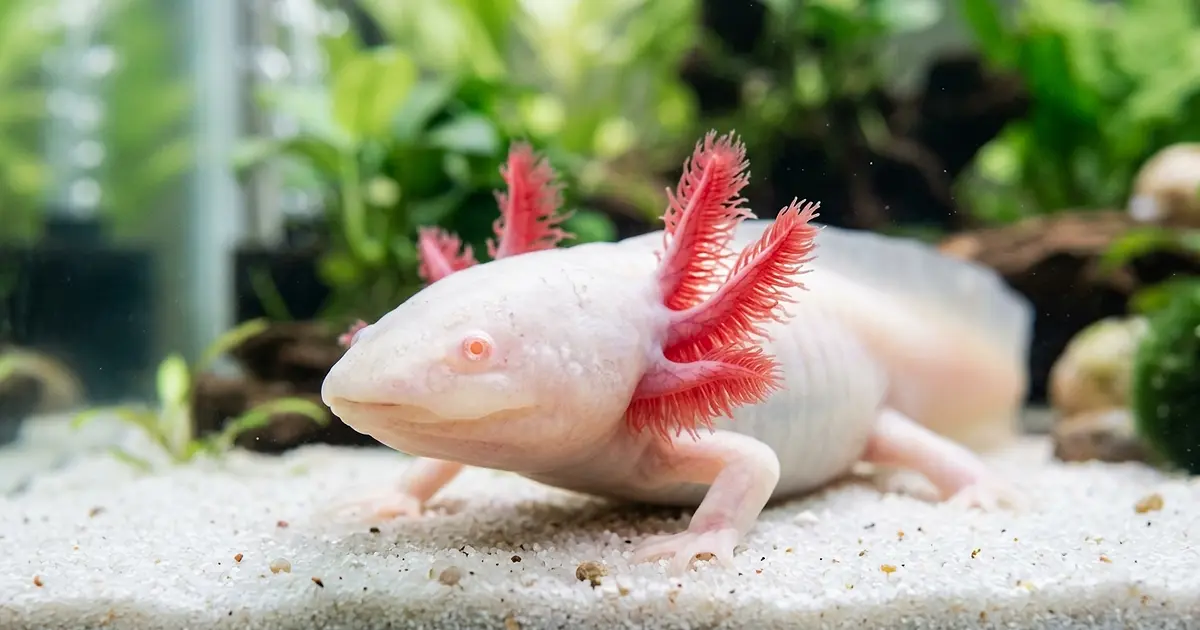
Albino Axolotl: Golden vs White Albino Guide
Learn the differences between golden and white albino axolotls. Appearance, genetics, care tips, price, and how to tell them apart from leucistic morphs.
Read more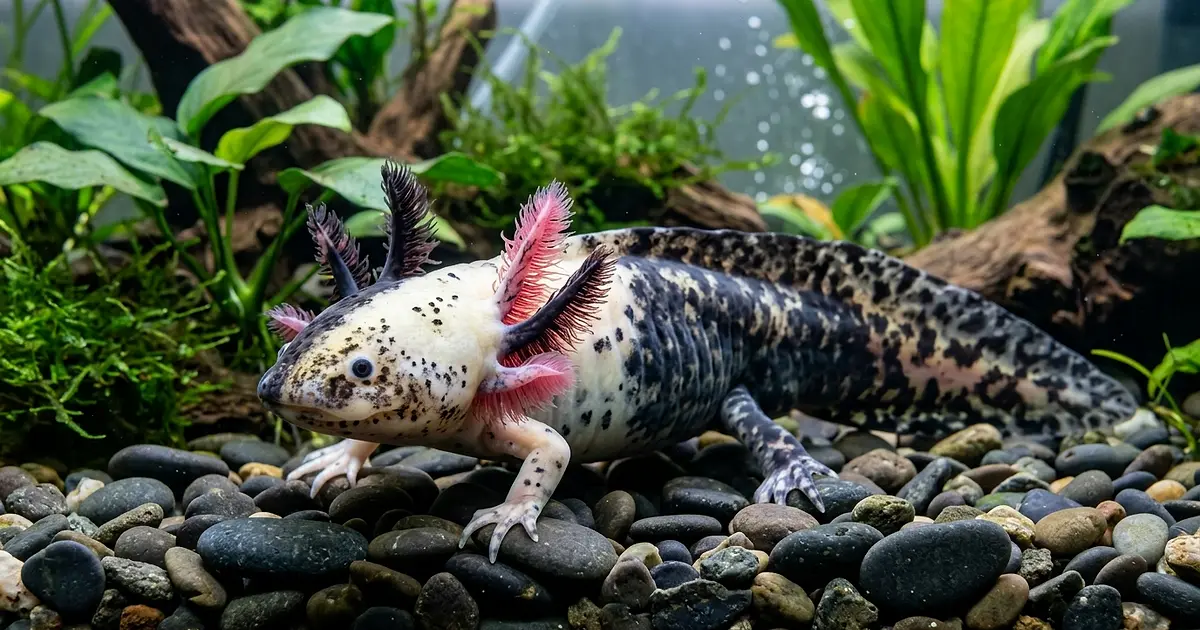
Mosaic Axolotl: One of the Rarest Morphs
What makes mosaic axolotls so rare and expensive. Learn about their split-color pattern, how they form, care needs, and realistic pricing.
Read more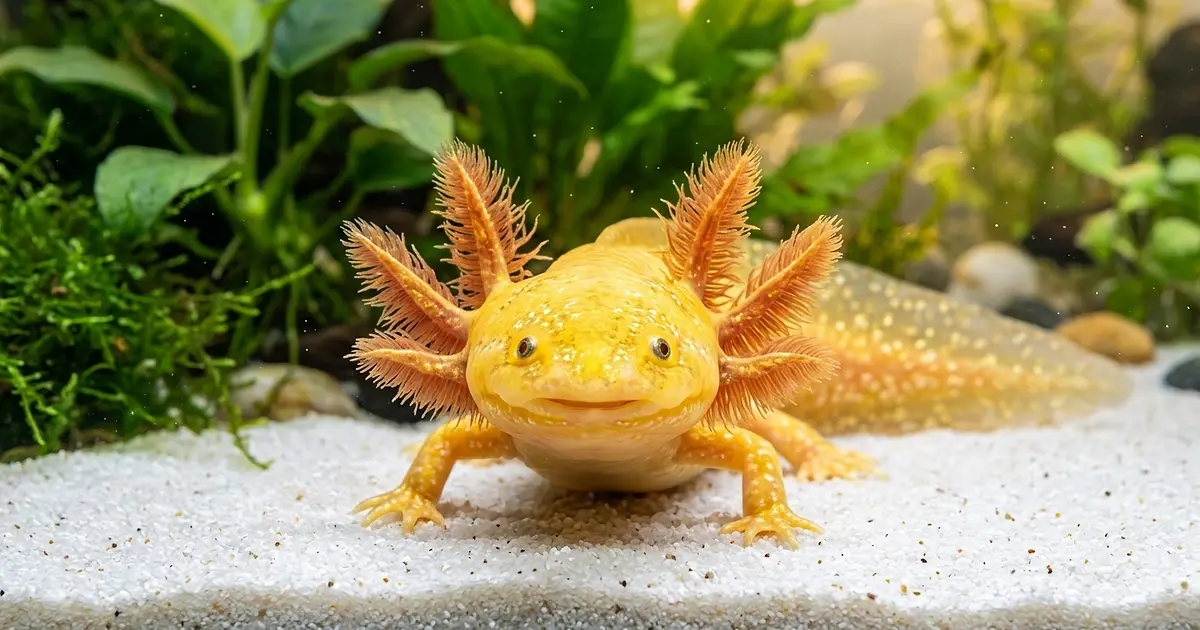
Golden Axolotl: Color, Genetics & Care Needs
Golden axolotl morph: warm yellow-gold coloration, albino genetics, light sensitivity, pricing from breeders, and differences from white albino variants.
Read more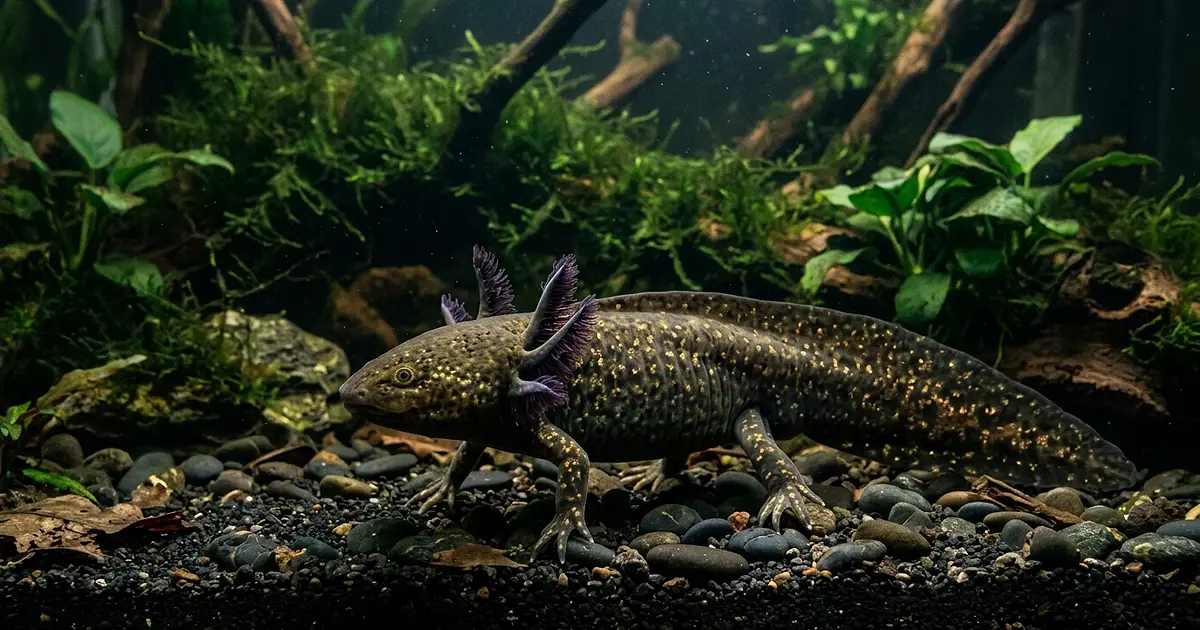
Wild Type Axolotl: The Natural Color Morph
Everything about wild type axolotls: their natural dark coloration with gold speckles, genetics, care, and why they are the original axolotl morph.
Read more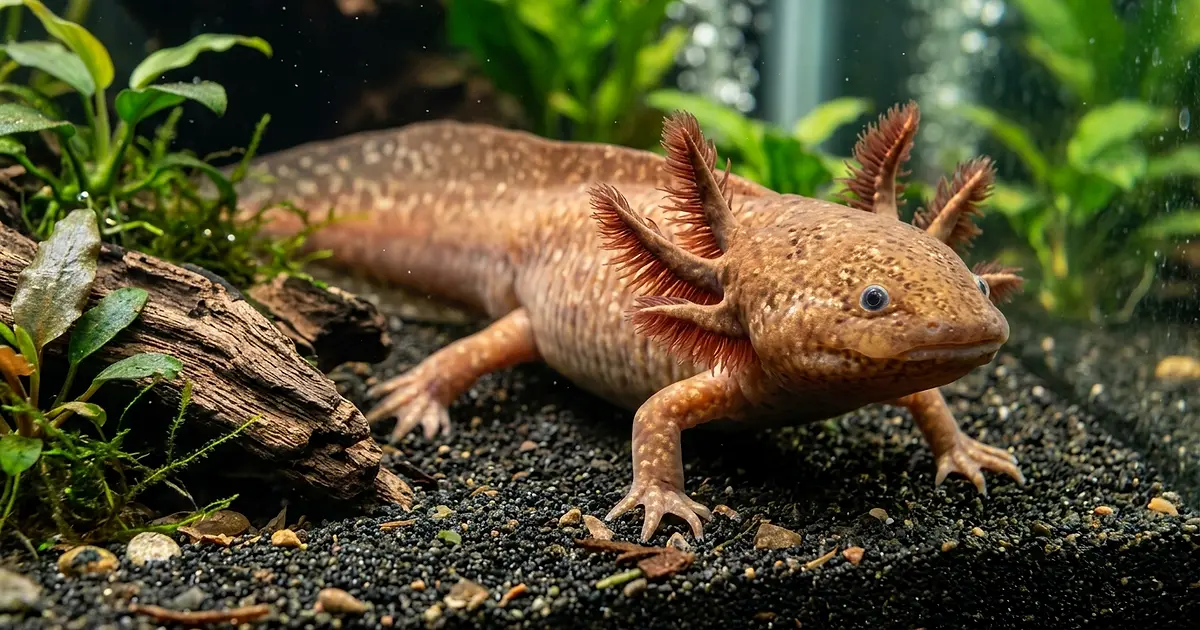
Copper Axolotl: The Warm-Toned Morph Explained
Learn about copper axolotls: their unique reddish-brown coloration, genetics, care needs, and how they change as they age. Prices and availability.
Read more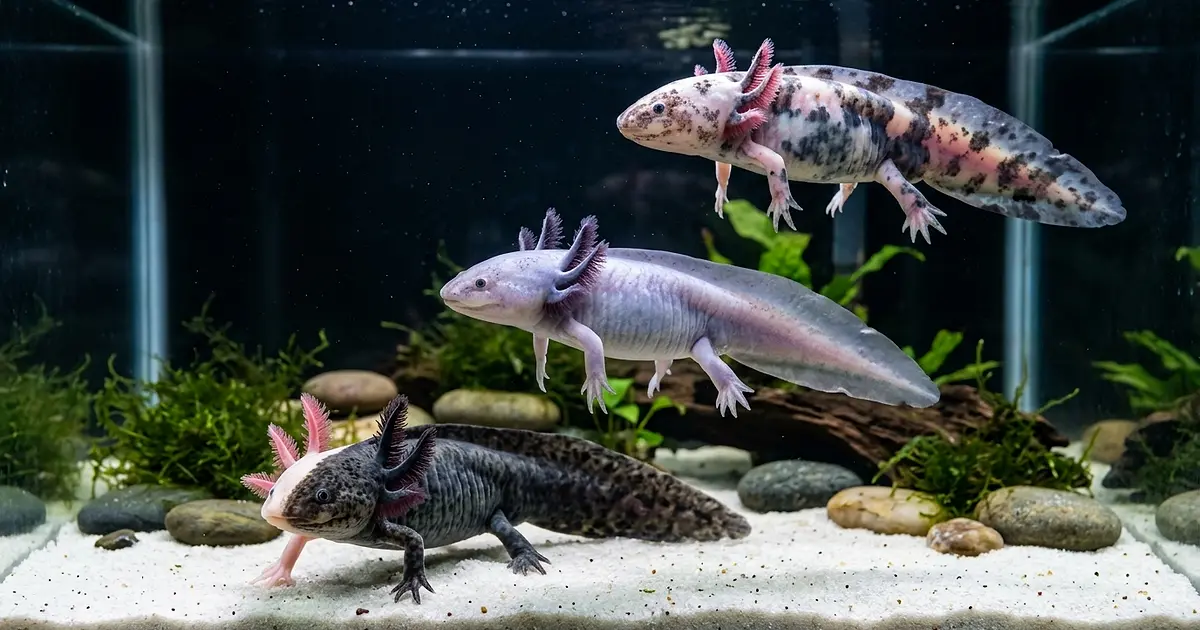
Rarest Axolotl Colors: Firefly, Chimera, Enigma & More
The rarest axolotl morphs: chimera, mosaic, firefly, enigma, and piebald. Why they cannot be bred intentionally, price ranges, and how to find them.
Read moreIdentify Your Morph
Not sure which color your axolotl is? Take the quiz