Signs of a Healthy Axolotl
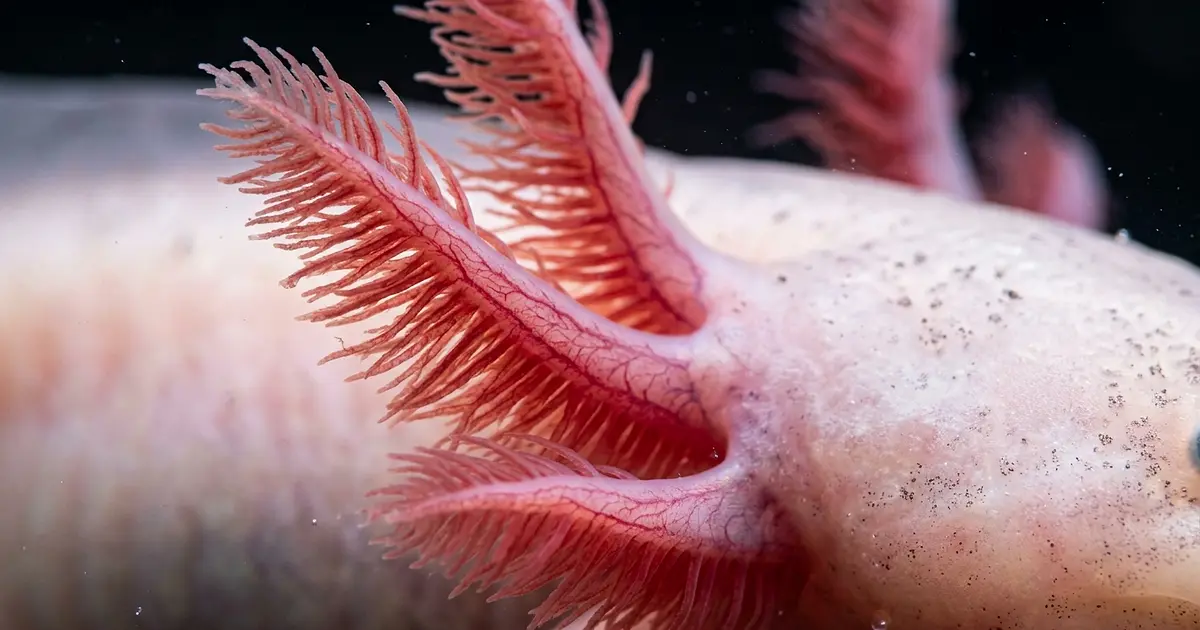
Before learning about diseases, know what healthy looks like. A healthy axolotl has full, fluffy gills (pink to red), smooth skin free of white patches, a good appetite, calm movement on the bottom, and a body slightly wider than its head with no bloating.
Axolotls are hardy animals, but they can develop health issues when water conditions deteriorate or when they are stressed. Early detection and treatment are key to recovery.
Common Health Problems at a Glance
| Problem | Key Symptoms | Primary Cause |
|---|---|---|
| Fungal Infection | White cotton-like growths on gills/body | Poor water quality, injury |
| Ammonia Burns | Red skin patches, curled gills, lethargy | Uncycled tank, overfeeding |
| Floating | Cannot sink to the bottom | Swallowed air, constipation, infection |
| Gill Deterioration | Short, thin, or curled gills | Chronic poor water quality |
| Impaction | Bloating, food refusal, swelling | Ingesting gravel or oversized food |
| Stress | Curled gill tips, pale color, hiding | Bright lights, strong current, handling |
Fungal Infection
Key Symptoms : White cotton-like growths on gills/body
Primary Cause : Poor water quality, injury
Ammonia Burns
Key Symptoms : Red skin patches, curled gills, lethargy
Primary Cause : Uncycled tank, overfeeding
Floating
Key Symptoms : Cannot sink to the bottom
Primary Cause : Swallowed air, constipation, infection
Gill Deterioration
Key Symptoms : Short, thin, or curled gills
Primary Cause : Chronic poor water quality
Impaction
Key Symptoms : Bloating, food refusal, swelling
Primary Cause : Ingesting gravel or oversized food
Stress
Key Symptoms : Curled gill tips, pale color, hiding
Primary Cause : Bright lights, strong current, handling
Treatments by Condition
Fungal Infection
Salt baths (2-3 tsp non-iodized salt per liter, 10-15 min) + improve water quality immediately. Methylene blue for severe cases.
Ammonia/Nitrite Burns
Immediate large water change (50-80%). Daily water changes until levels return to 0 ppm. Review filtration capacity.
Floating (Buoyancy Issues)
Shallow container with cool clean water. Fast for 2-3 days. Gentle belly massage. Fridging in severe cases.
Gill Deterioration
Optimize water parameters, lower temperature to 16-18°C. Gills can regrow over weeks with proper conditions.
Impaction
Fridging (4-8°C) to slow metabolism and pass the obstruction. Switch to bare bottom tank permanently.
Stress
Identify and remove the stressor. Provide more hides, dim lighting. Check water parameters.
The Fridging Method
Prevention Checklist
Prevention Beats Treatment
A properly maintained tank prevents 90% of health issues. If your axolotl gets sick, the first step is always to test water parameters. Most problems trace back to ammonia, nitrite, or temperature outside the safe range.
Concerned About Fungus?
Fungal infections are the most common axolotl health issue. Learn the exact treatment protocol with our step-by-step guide.
Emergency Symptoms
What to Do Right Away
Test Water
Ammonia, nitrite, nitrate, pH
Most issues start here
Step 1Tub the Axolotl
Clean, dechlorinated, cool water
Change daily
Step 2Salt Bath
2-3 tsp/L non-iodized salt
10-15 min for fungus
If fungusMonitor Closely
Track appetite, gills, movement
Note any changes daily
OngoingArticles in This Section
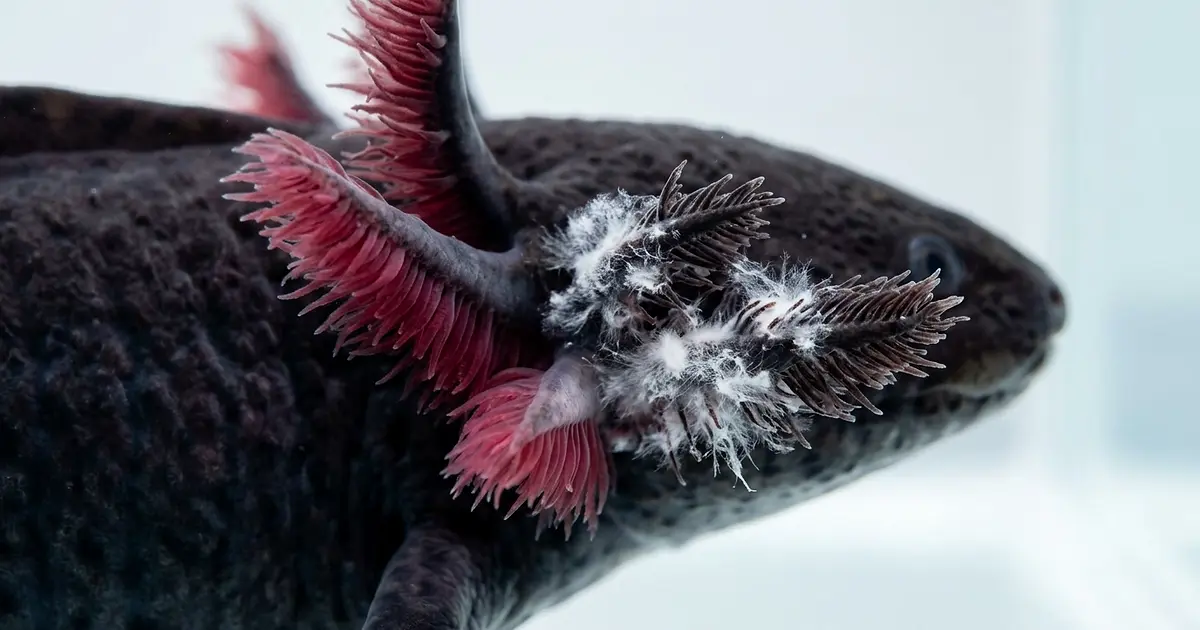
Axolotl Fungus: How to Identify & Treat It
White cotton-like growths on your axolotl? Learn to identify fungal infections, treat with salt baths and methylene blue, and prevent recurrence.
Read more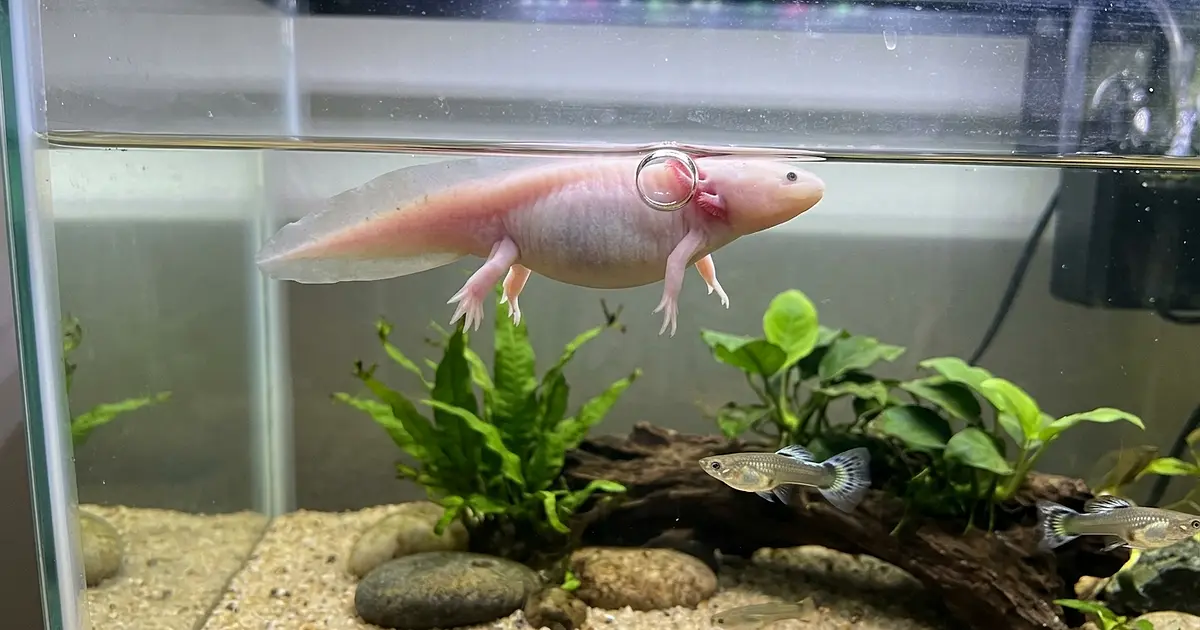
Why Is My Axolotl Floating? Causes & Solutions
Your axolotl is floating and cannot sink? Learn the common causes (air, constipation, infection) and step-by-step solutions to fix buoyancy problems.
Read more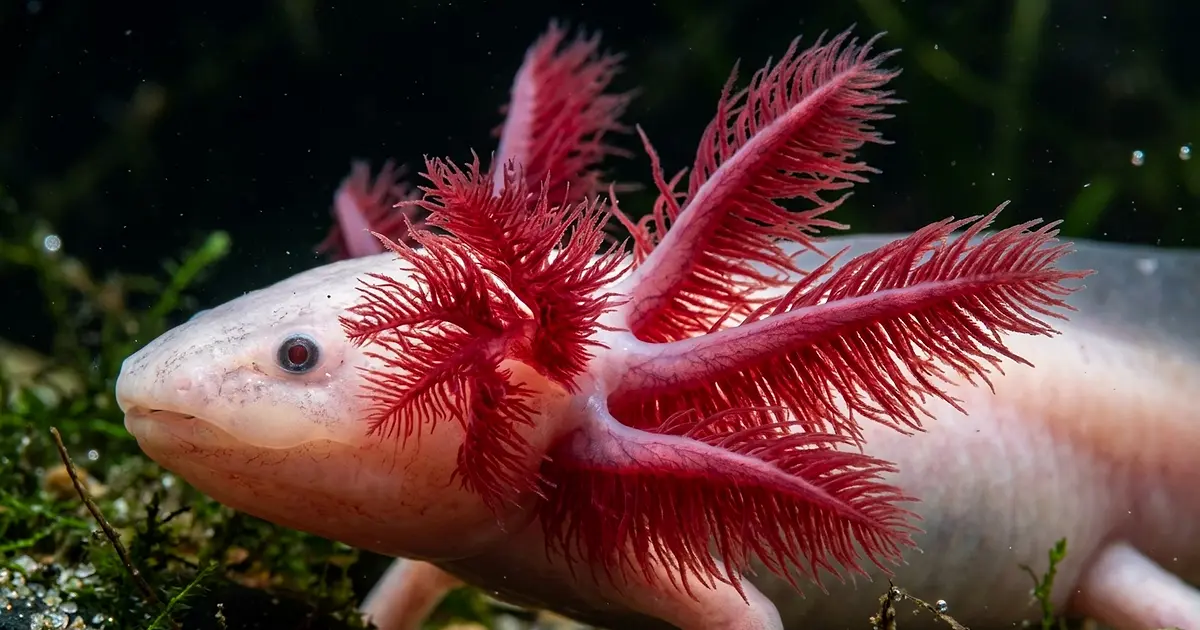
Healthy vs Unhealthy Axolotl Gills (Visual Guide)
How to read your axolotl's gills: what healthy gills look like, warning signs of disease, and how gills change with water quality and stress.
Read more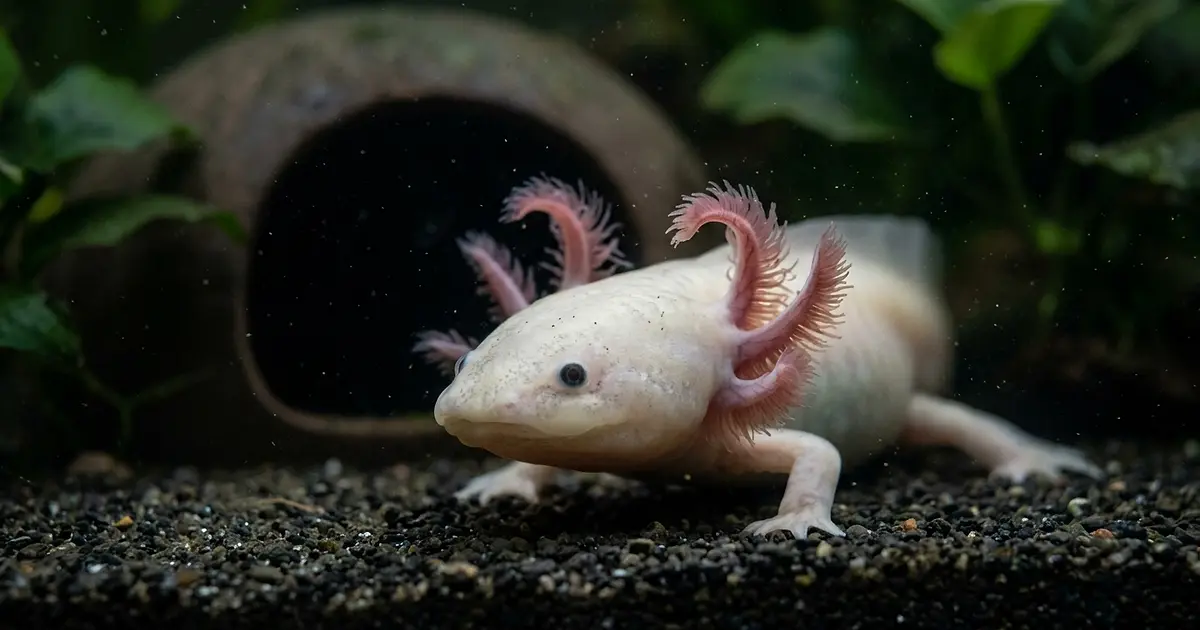
Axolotl Stress Signs: Curled Gills, Floating & More
How to recognize stress in your axolotl: curled gills, loss of appetite, frantic swimming, and pale color. Causes, prevention, and solutions.
Read more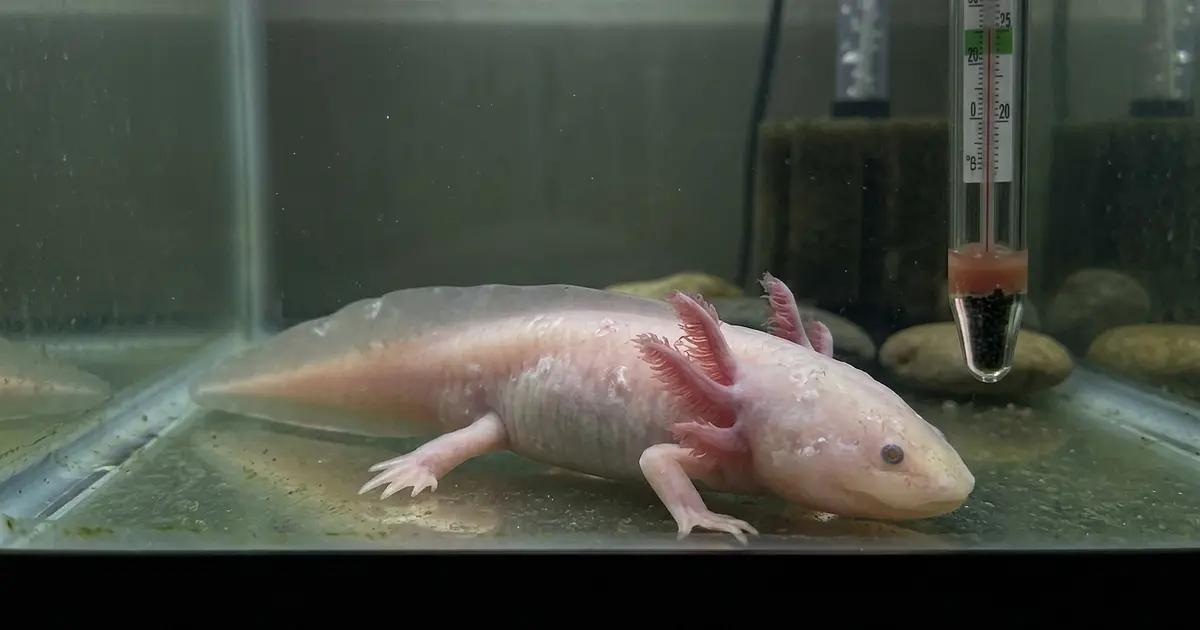
Is My Axolotl Sick? Warning Signs to Watch For
Quick checklist to determine if your axolotl is sick. Compare healthy vs unhealthy signs for gills, skin, appetite, and behavior.
Read moreTry the Health Checker
Diagnose your axolotl's symptoms in 3 questions