
Meet the Axolotl
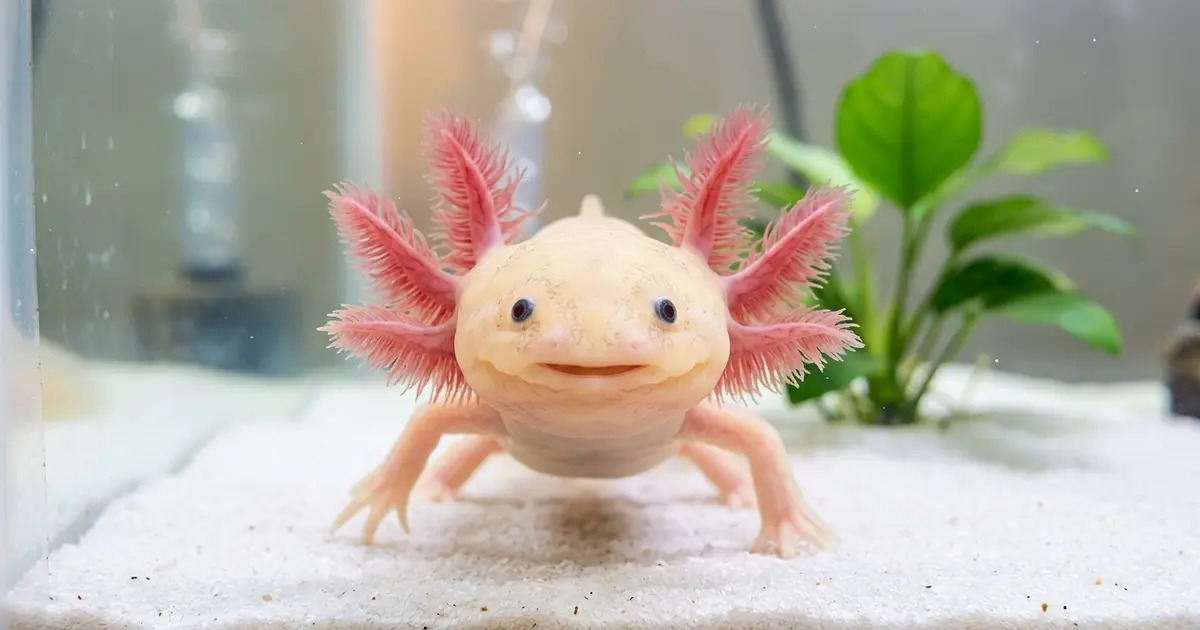
The axolotl (Ambystoma mexicanum) is a fully aquatic salamander that has captivated scientists, pet owners, and internet users worldwide. With its permanent smile, feathery gills, and extraordinary regenerative abilities, the axolotl is truly one of nature's most remarkable creatures.
The Basics
Why Axolotls Never Grow Up
Forced Metamorphosis
In laboratory conditions, administering thyroid hormone can force metamorphosis. However, this is extremely stressful and dramatically shortens the axolotl's lifespan. It should never be attempted by pet owners.
Anatomy of an Axolotl
Gills
Three pairs of feathery external gills used for breathing, filled with blood vessels that give them a pink to red color.
Lungs
Present but underdeveloped. Axolotls occasionally gulp air from the surface as a supplement.
Eyes
Small, lidless eyes with limited vision. They rely more on smell and vibration to navigate.
Teeth
Tiny, used for gripping food rather than chewing. Axolotls swallow food whole.
Limbs
Four legs with distinct fingers (4 on front, 5 on back), used for walking along the tank bottom.
Cultural Significance
The axolotl holds deep cultural importance in Mexico and worldwide:
- Aztec mythology: named after Xolotl, the god of fire, lightning, and death, who allegedly transformed into an axolotl to escape sacrifice
- National symbol: the axolotl appears on the Mexican 50-peso bill and is considered a national treasure
- Scientific icon: one of the most studied animals in biology, used in research for over 150 years
- Internet phenomenon: the axolotl's distinctive smile and appearance have made it a popular meme and cultural icon worldwide
Pronunciation Guide
Axolotl is pronounced AX-oh-lot-ul. The word comes from the Nahuatl (Aztec) language: "atl" meaning water and "xolotl" referencing the Aztec god. It is often translated as "water monster" or "water dog."
Ready to keep an axolotl?
Everything you need to know about setting up a tank, feeding, and keeping your axolotl healthy.
Frequently Asked Questions
Frequently Asked Questions
Is an axolotl a fish?
How do you pronounce axolotl?
Are axolotls dangerous?
Related Articles
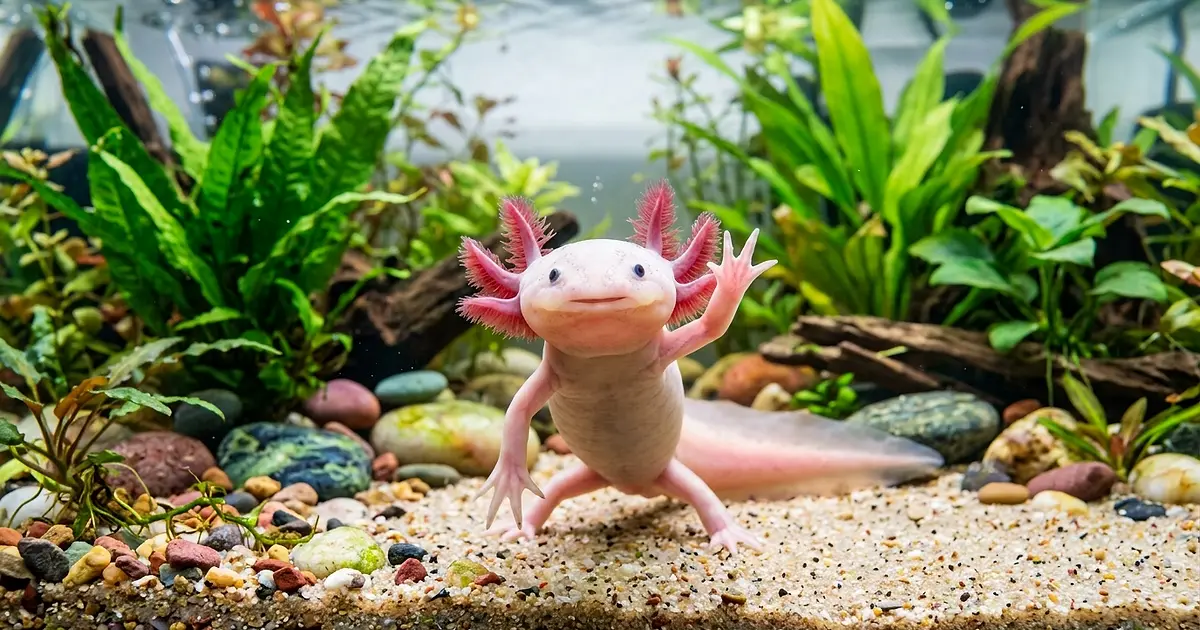
Axolotl Facts: Biology, Habitat & Abilities
Key axolotl facts covering biology, regeneration, Aztec origins, diet, conservation status, and what makes these aquatic salamanders unique among amphibians.
Read more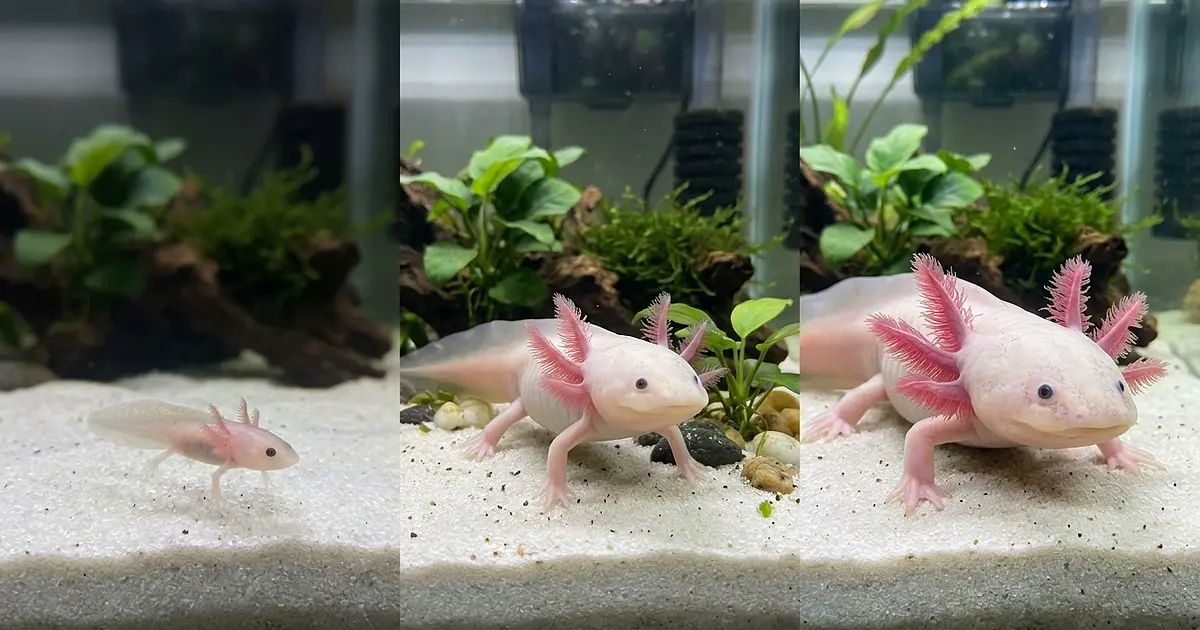
How Long Do Axolotls Live? Lifespan Guide
Axolotl lifespan in captivity averages 10-15 years. Learn what affects their longevity and how to maximize your axolotl's life expectancy.
Read more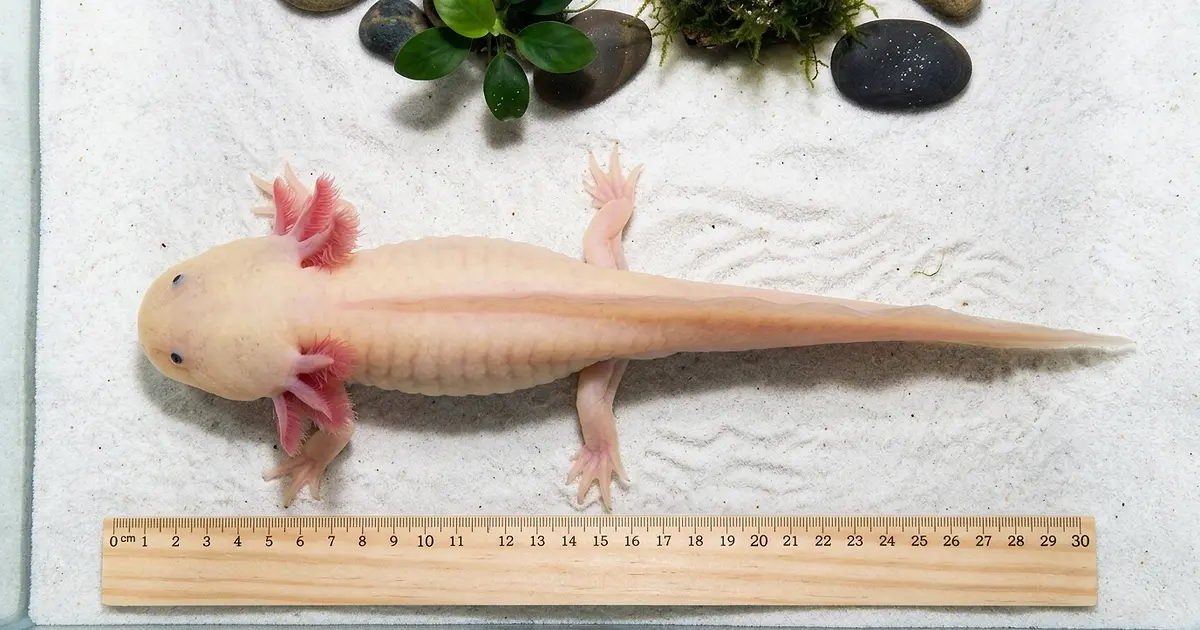
How Big Do Axolotls Get? Size & Growth Chart
Axolotls grow to 15-30 cm (6-12 inches) as adults. Complete growth chart from baby to adult with factors that affect size.
Read more