
Lake Xochimilco: The Last Wild Home
The axolotl is native to one of the most unique and threatened habitats on Earth: the ancient lake system of Xochimilco in Mexico City.
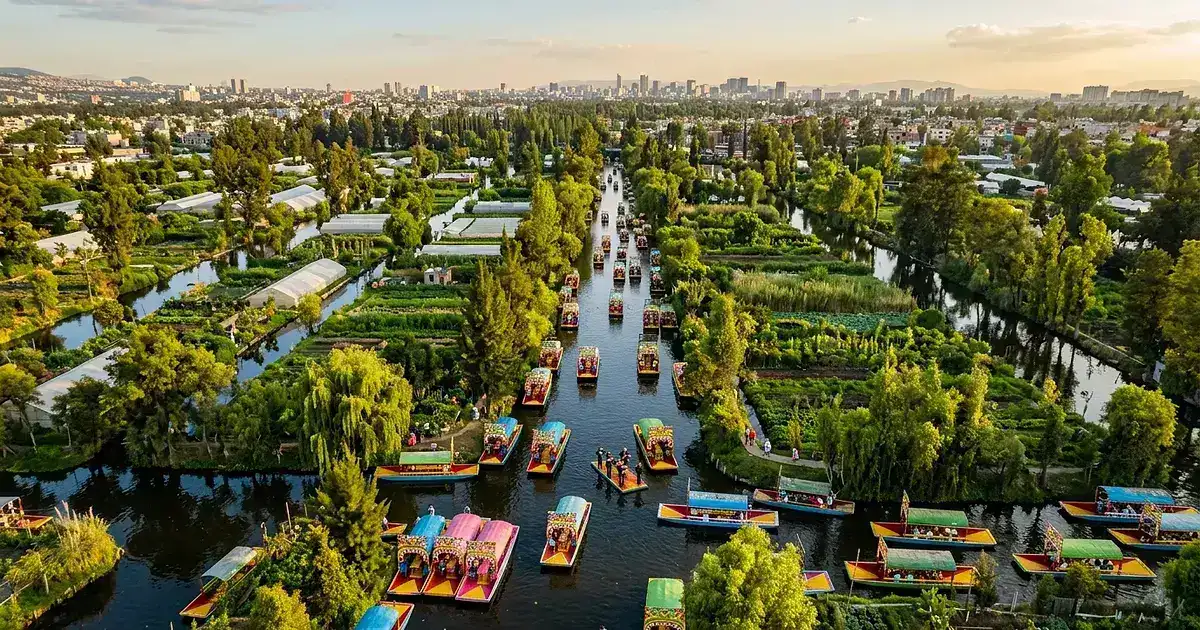
Axolotls originally inhabited two high-altitude lakes: Lake Xochimilco and Lake Chalco. Lake Chalco was drained in the 1970s for urban development, leaving Xochimilco as the sole remaining wild habitat. It is a network of canals and artificial islands called chinampas, a system of floating gardens dating back to the Aztec civilization. The water is cool (12-20°C), relatively shallow, and rich in vegetation.
Wild Axolotl Population Collapse
| Year | Estimated Density (per km²) |
|---|---|
| 1998 | 6,000 |
| 2004 | 1,000 |
| 2008 | 100 |
| 2014 | 36 |
| 2020+ | Fewer than 36 |
1998
Estimated Density (per km²) : 6,000
2004
Estimated Density (per km²) : 1,000
2008
Estimated Density (per km²) : 100
2014
Estimated Density (per km²) : 36
2020+
Estimated Density (per km²) : Fewer than 36
A 99% Population Collapse
The wild axolotl population has collapsed by over 99% in just two decades. From 6,000 per square kilometer in 1998 to fewer than 36 today. Learn more about why axolotls are endangered and what is being done to save them.
Why Are Axolotls Endangered?
Urbanization
Mexico City (population 22 million) has expanded directly over the axolotl's habitat. The lake system has been reduced to a fraction of its original size.
Water Pollution
Agricultural runoff, sewage, and industrial waste flow into the canals of Xochimilco, degrading water quality to levels that stress or kill axolotls.
Invasive Species
Tilapia and Asian carp were introduced to the canals for fishing. These invasive fish eat axolotl eggs and larvae, dramatically reducing reproduction success.
Habitat Fragmentation
Remaining canal networks are disconnected, preventing axolotl populations from mixing and reducing genetic diversity.
Conservation Efforts Offering Hope
Wild Axolotls vs Captive Axolotls
In the Wild
- ✓Found only in Lake Xochimilco, Mexico
- ✓Critically endangered, fewer than 1,000
- ✓Facing habitat destruction and invasive species
- ✓Genetically diverse natural population
- ✓May become extinct in the wild
In Captivity
- →Millions worldwide in homes and labs
- →Population is thriving and growing
- →Many color morphs bred selectively
- →Genetically distinct from wild population
- →May play a role in future conservation
The Axolotl Paradox
Supporting Conservation
As an axolotl keeper, you can support conservation by purchasing from reputable breeders who maintain genetic diversity, educating others about the axolotl's endangered status, and supporting organizations working to restore Lake Xochimilco's ecosystem.
Are Axolotls Endangered?
Dive deeper into the conservation status, threats, and what the future holds for wild axolotls.
Wild Axolotl Facts
Location
Lake Xochimilco, Mexico City
Only wild population
EndemicConservation Status
IUCN Red List
Critically Endangered
CriticalHabitat Type
Freshwater canals & lakes
Shallow, vegetation-rich
Wild Population
Declining rapidly
Est. < 1,000 individuals
Main Threats
Invasive species, pollution
Tilapia, carp, urbanization
Lab Colonies
Thriving worldwide
1,000,000+ in captivity
StableArticles in This Section
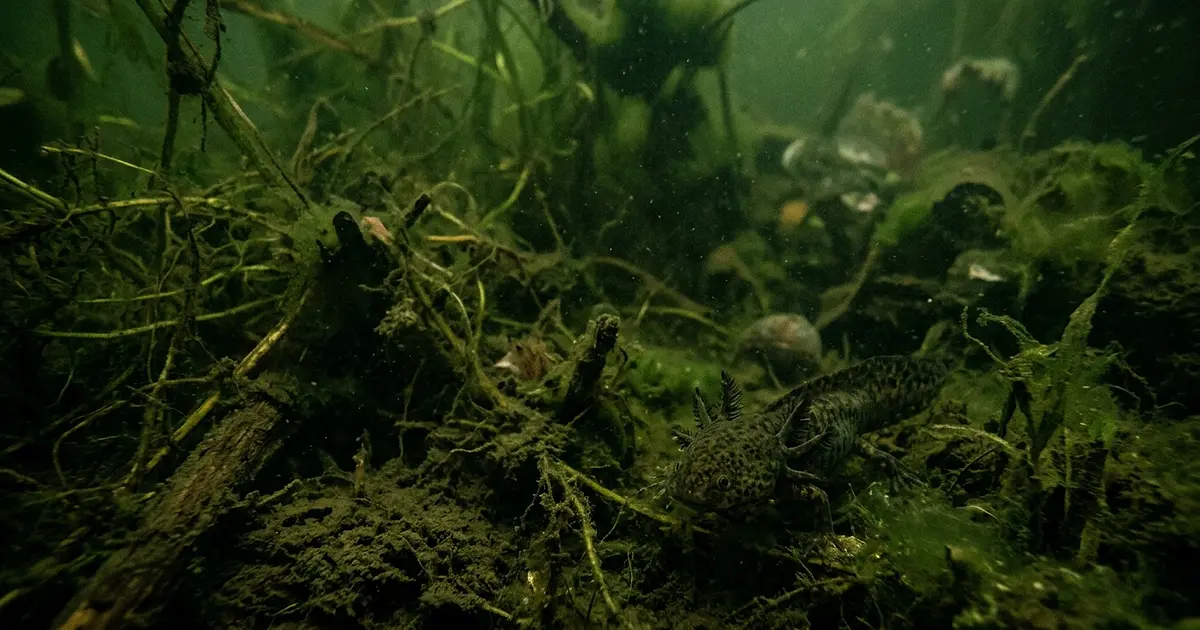
Are Axolotls Endangered? Conservation Status 2026
Yes, axolotls are critically endangered. Learn why their wild population has declined 99%, the main threats, and what conservation efforts are underway.
Read more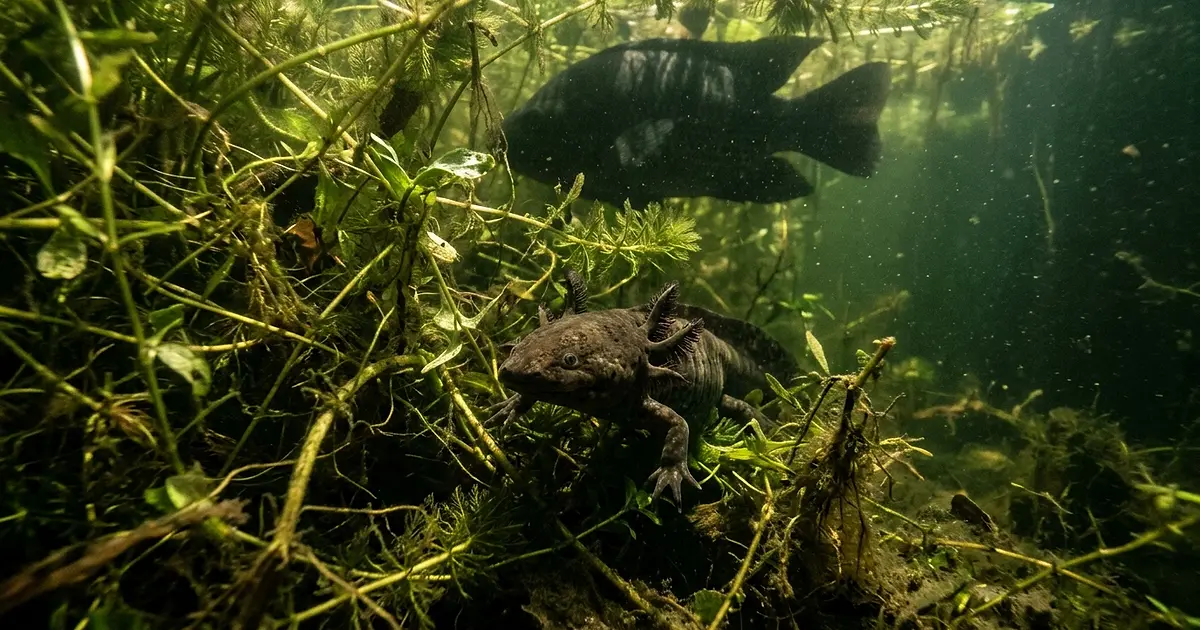
Axolotl Predators: What Eats Axolotls?
What animals prey on axolotls in the wild and in captivity? Invasive fish, birds, and why predation is driving them toward extinction.
Read more