
Reading Your Axolotl's Behavior
Axolotls have a limited but distinct set of behaviors. Understanding what is normal helps you enjoy watching them and spot problems early.
They are crepuscular (most active at dusk and dawn), so if your axolotl seems "lazy" during the day, you may just be observing during their natural rest period. Try watching at dusk to see their more active side.
Normal Behaviors
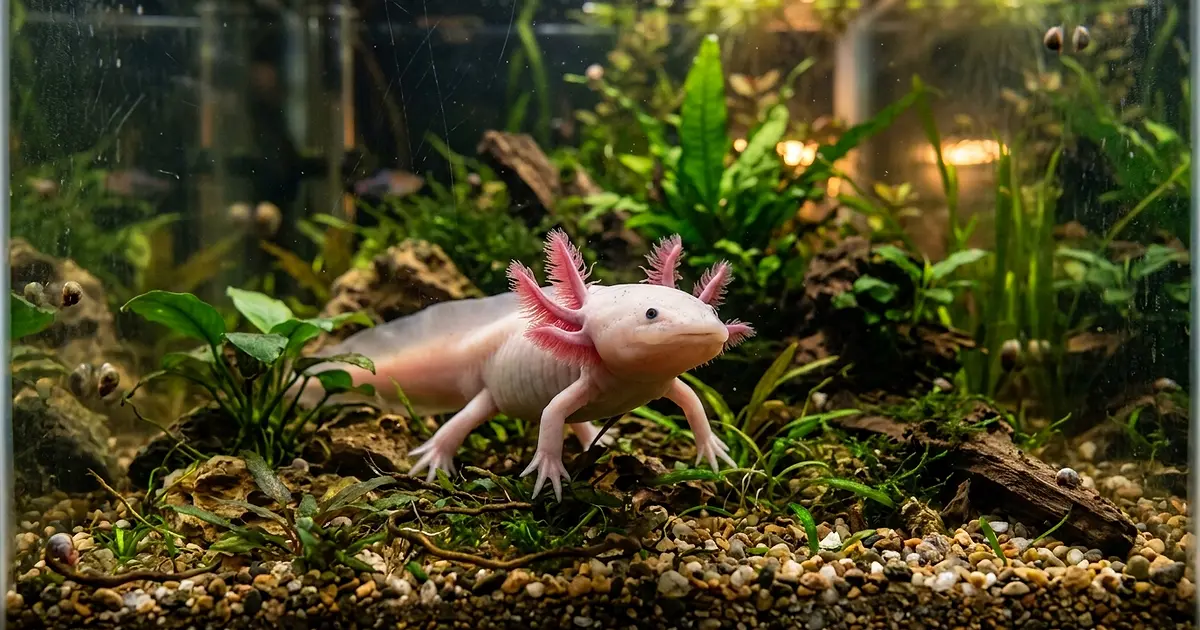
Walking Along the Bottom
The primary mode of movement. Axolotls use their four legs to walk along the substrate, exploring their territory.
Resting in Hides
During the day, they rest in hides, under plants, or against the tank glass. Extended hiding during daytime is perfectly normal.
Gill Flicking
Occasional rapid movement of the gills to increase water flow. Completely normal and healthy: it boosts oxygen absorption.
Surface Gulping
Swimming to the surface to gulp air, a few times a day. Axolotls have rudimentary lungs. Abnormal only if constant and frantic.
Yawning
Opening the mouth wide, resembling a yawn. Normal, usually happens after eating or when shifting position. Not a sign of distress.
Glass Surfing
Swimming up and down the glass walls. Normal if occasional (exploring, reflection). Concerning if constant and frantic with curled gills.
Hunting Style
Behaviors That Need Attention
| Behavior | Possible Cause | Action |
|---|---|---|
| Floating, cannot sink | Gas, impaction, infection | Shallow tub, fast, check water |
| Frantic constant swimming | Ammonia burn, chemical irritant | Test water, water change |
| Curled gills forward | Stress, poor water quality | Test water, reduce stressors |
| Complete food refusal (5+ days) | Temperature, illness, stress | Check temp, test water |
| Spinning or tumbling | Neurological issue, severe stress | Consult exotic vet |
| Lying on side, unresponsive | Severe illness or shock | Emergency: fresh cool water, vet |
Possible Cause : Gas, impaction, infection
Action : Shallow tub, fast, check water
Frantic constant swimming
Possible Cause : Ammonia burn, chemical irritant
Action : Test water, water change
Curled gills forward
Possible Cause : Stress, poor water quality
Action : Test water, reduce stressors
Complete food refusal (5+ days)
Possible Cause : Temperature, illness, stress
Action : Check temp, test water
Spinning or tumbling
Possible Cause : Neurological issue, severe stress
Action : Consult exotic vet
Lying on side, unresponsive
Possible Cause : Severe illness or shock
Action : Emergency: fresh cool water, vet
Daily Activity Pattern
Morning: somewhat active, may accept food
Midday: resting, hiding, low activity
Evening/dusk: most active period, best time for feeding and observation
Night: active, exploring, hunting
Late night: activity decreases, resting
When to Worry
Seek immediate help if your axolotl is lying on its side and unresponsive, spinning or tumbling uncontrollably, or has red patches on the skin combined with frantic swimming. These are emergency signs. Move to fresh cool dechlorinated water and consult an exotic veterinarian.
Learn More About Axolotl Care
Understanding behavior is just one part of keeping a healthy axolotl. Get the full picture with our complete care guide.
Frequently Asked Questions
Frequently Asked Questions
Why does my axolotl swim to the surface?
Do axolotls play?
Related Articles
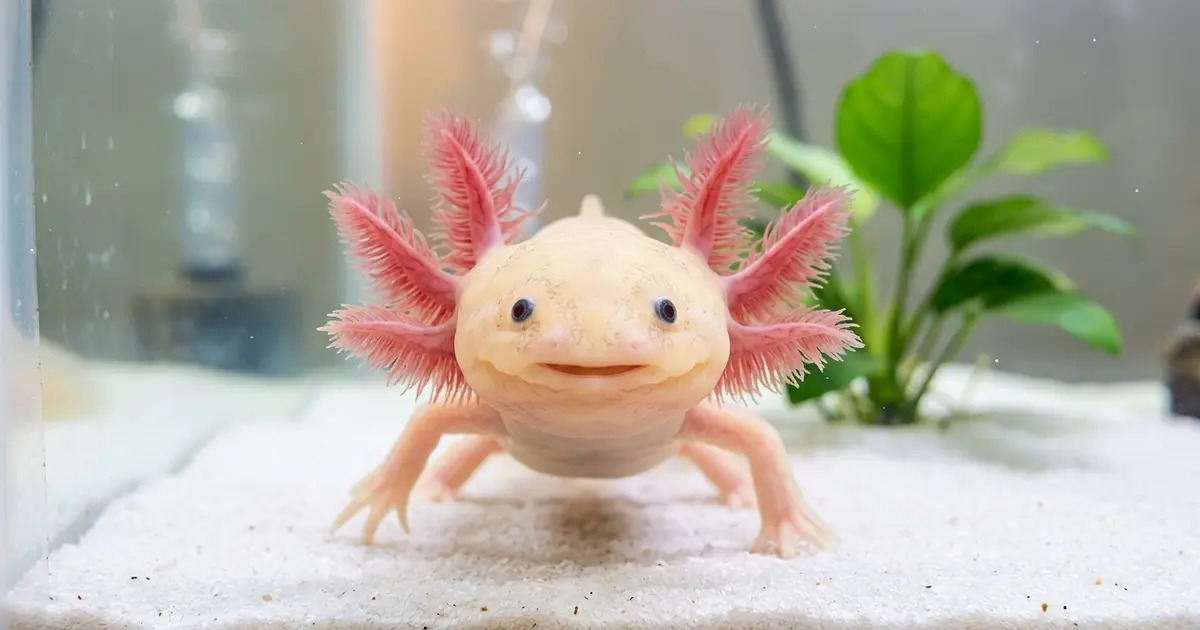
What Is an Axolotl? Facts, Origin & Why They're Special
The axolotl (Ambystoma mexicanum) is a fully aquatic neotenic salamander from Mexico. Species classification, anatomy, cultural significance, and basic facts.
Read more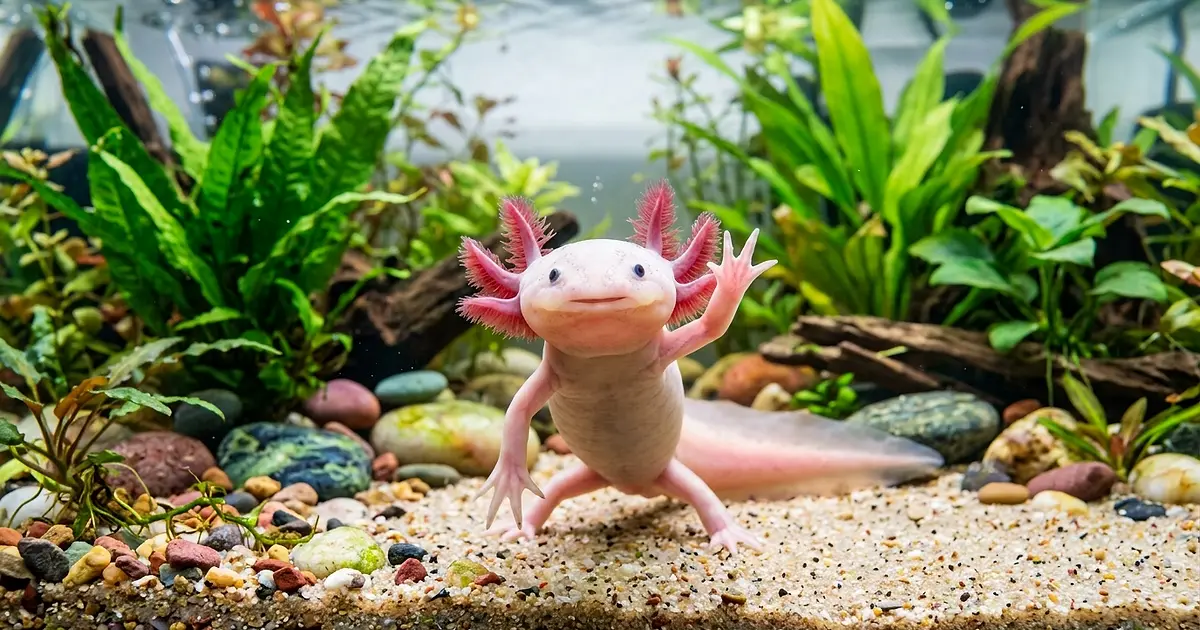
Axolotl Facts: Biology, Habitat & Abilities
Key axolotl facts covering biology, regeneration, Aztec origins, diet, conservation status, and what makes these aquatic salamanders unique among amphibians.
Read more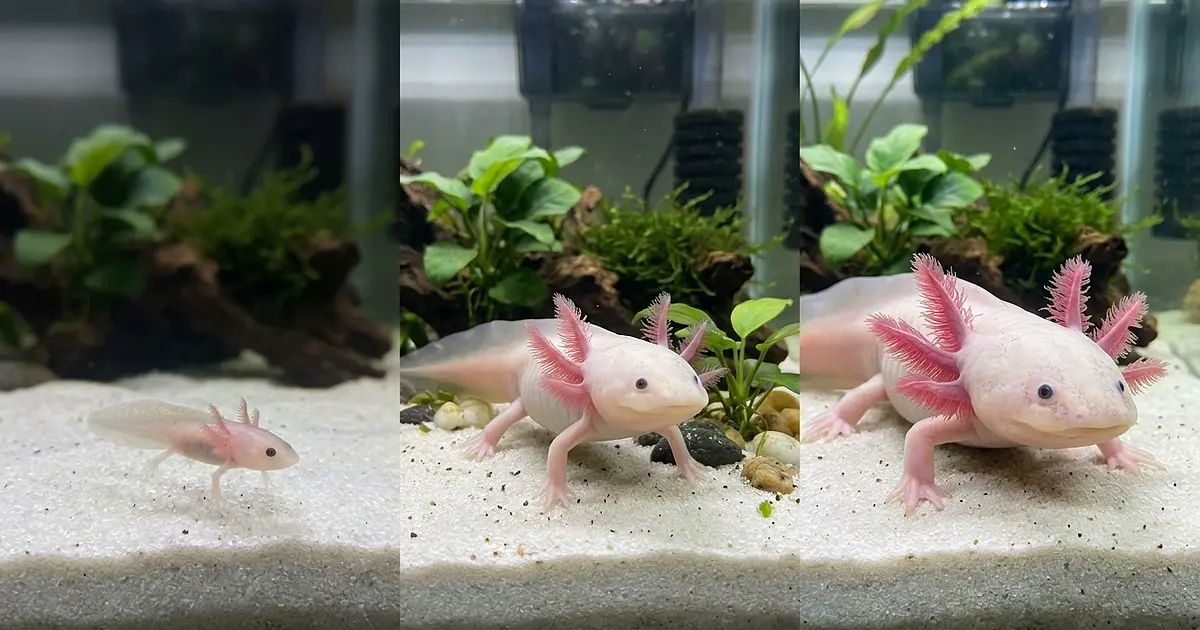
How Long Do Axolotls Live? Lifespan Guide
Axolotl lifespan in captivity averages 10-15 years. Learn what affects their longevity and how to maximize your axolotl's life expectancy.
Read more