
Appearance
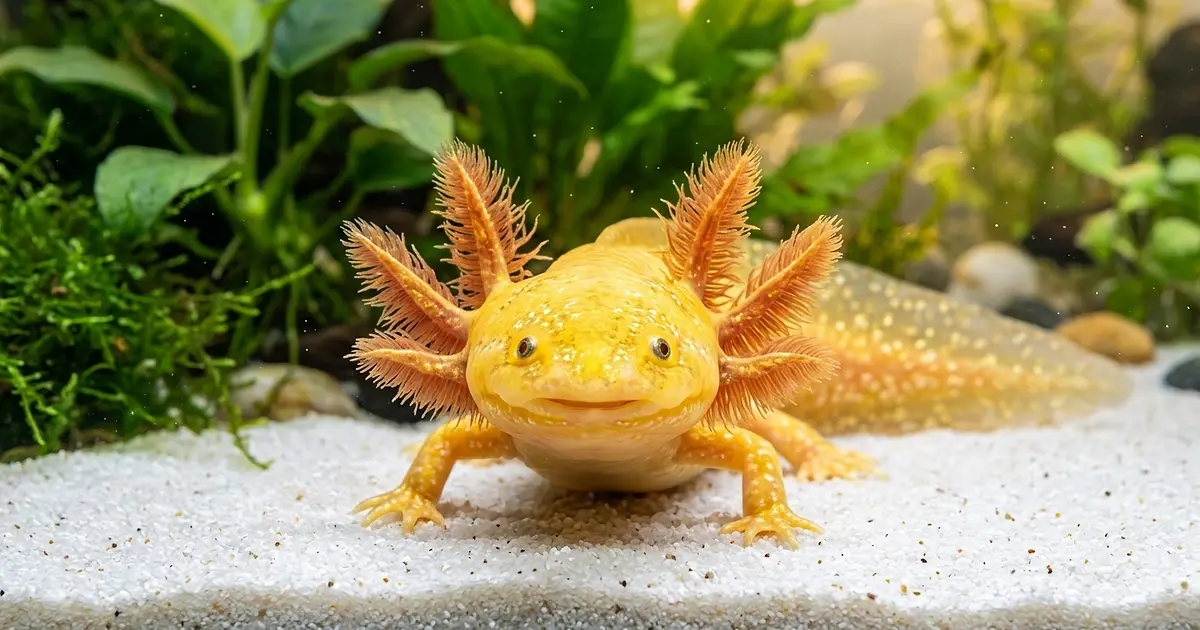
The golden axolotl is one of the warmest and most visually appealing morphs in the hobby. Its rich yellow-gold coloring, bright pink gills, and distinctive red eyes set it apart from other light-colored axolotls.
Golden axolotls display a warm yellow to deep orange-gold body color that makes them easy to identify at a glance. The intensity varies between individuals, from pale butter yellow to a striking deep gold.
Physical Characteristics
Why Golden Axolotls Are Gold
The golden color comes from a combination of two genetic factors:
- Albinism (the "a" gene): removes all melanin (black/brown pigment), including from the eyes
- Active xanthophores: yellow pigment cells that remain functional and produce the warm coloration
In a white albino axolotl, xanthophores are less active, resulting in a pale white appearance. In a golden albino, these same cells are highly active, flooding the skin with yellow-gold pigment.
This is not a separate morph gene from albinism. Rather, it represents a natural variation in xanthophore activity within the albino population. Some breeders selectively breed for more intensely golden animals.
Golden Axolotl vs Other Light Morphs
| Feature | Golden Axolotl | White Albino | Leucistic |
|---|---|---|---|
| Eye color | Red/pink | Red/pink | Dark (black/brown) |
| Body color | Yellow-gold-orange | White-pink | White-pink |
| Xanthophores | Very active | Less active | Reduced |
| Dark spots | Never | Never | May develop |
| Light sensitivity | Increased | Increased | Normal |
| Melanin | Absent | Absent | Present in eyes |
Eye color
Golden Axolotl : Red/pink
White Albino : Red/pink
Leucistic : Dark (black/brown)
Body color
Golden Axolotl : Yellow-gold-orange
White Albino : White-pink
Leucistic : White-pink
Xanthophores
Golden Axolotl : Very active
White Albino : Less active
Leucistic : Reduced
Dark spots
Golden Axolotl : Never
White Albino : Never
Leucistic : May develop
Light sensitivity
Golden Axolotl : Increased
White Albino : Increased
Leucistic : Normal
Melanin
Golden Axolotl : Absent
White Albino : Absent
Leucistic : Present in eyes
Color Development Over Time
| Age | Typical Appearance |
|---|---|
| Hatchling (0-2 months) | Very pale, barely yellow |
| Juvenile (2-6 months) | Light yellow, color becoming visible |
| Sub-adult (6-12 months) | Moderate gold, eyes clearly red |
| Adult (12+ months) | Full gold intensity, may deepen further with age |
Hatchling (0-2 months)
Typical Appearance : Very pale, barely yellow
Juvenile (2-6 months)
Typical Appearance : Light yellow, color becoming visible
Sub-adult (6-12 months)
Typical Appearance : Moderate gold, eyes clearly red
Adult (12+ months)
Typical Appearance : Full gold intensity, may deepen further with age
Diet and Color Enhancement
Earthworms (primary staple)
Always the best overall food for axolotl health regardless of morph.
Bloodworms
Moderate carotenoid content that supports and mildly enhances the golden color.
Salmon-based pellets
Contain natural carotenoids that can support yellow-gold coloration over time.
Light Sensitivity
Price and Availability
| Variant | Typical Price |
|---|---|
| Standard golden axolotl | $40-75 |
| High-color golden (selectively bred) | $60-100 |
| GFP golden axolotl | $60-110 |
Standard golden axolotl
Typical Price : $40-75
High-color golden (selectively bred)
Typical Price : $60-100
Typical Price : $60-110
Breeding Golden Axolotls
If both parents are golden albinos, 100% of offspring will be albino. Whether those offspring develop strong golden coloring depends on xanthophore activity, which is influenced by genetics and to a lesser extent by environment and diet.
Breeding Pairings and Outcomes
| Pairing | Offspring |
|---|---|
| Golden x Golden | 100% albino (gold intensity varies) |
| Golden x Wild Type (non-carrier) | 0% albino, 100% carry the "a" gene |
| Golden x Leucistic | Depends on whether leucistic carries "a" gene |
| Golden x Melanoid | Depends on genetic background, possible melanoid albino |
Golden x Golden
Offspring : 100% albino (gold intensity varies)
Golden x Wild Type (non-carrier)
Offspring : 0% albino, 100% carry the "a" gene
Golden x Leucistic
Offspring : Depends on whether leucistic carries "a" gene
Golden x Melanoid
Offspring : Depends on genetic background, possible melanoid albino
Explore warm-toned morphs
The copper axolotl shares visual similarities but has a completely different genetic background.
Frequently Asked Questions
Frequently Asked Questions
Is a golden axolotl the same as a golden albino?
Do golden axolotls change color as they age?
Can golden axolotls live with other morphs?
Related Articles
Blue Axolotl: Do They Really Exist?
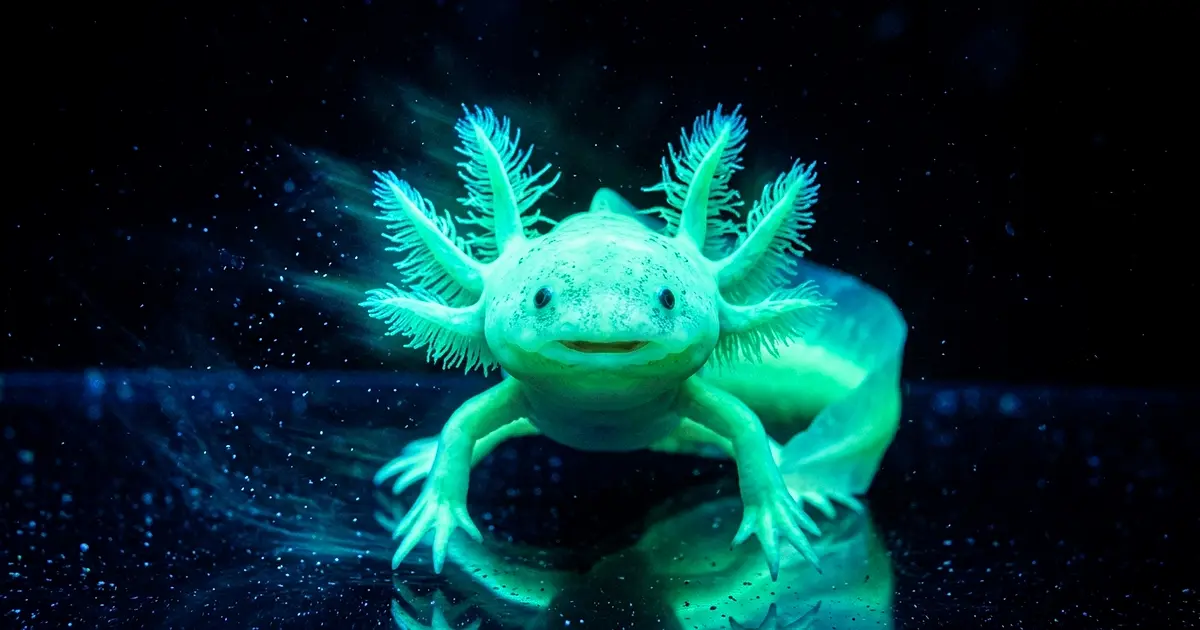
The truth about blue axolotls. Learn why they appear blue in photos, what GFP means, and which axolotl morphs actually exist in real life.
Read more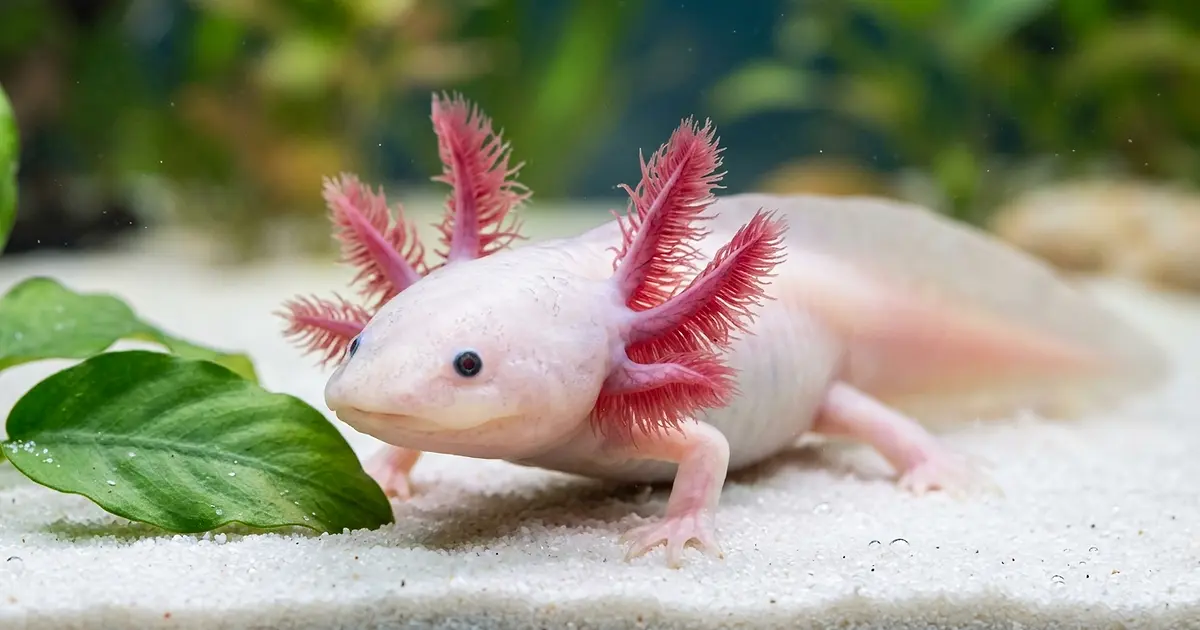
Leucistic Axolotl: The Most Popular Pet Morph
Leucistic axolotl (Lucy): the iconic pink-white morph with dark eyes. Appearance, genetics, dirty Lucy variant, albino comparison, pricing, and care tips.
Read more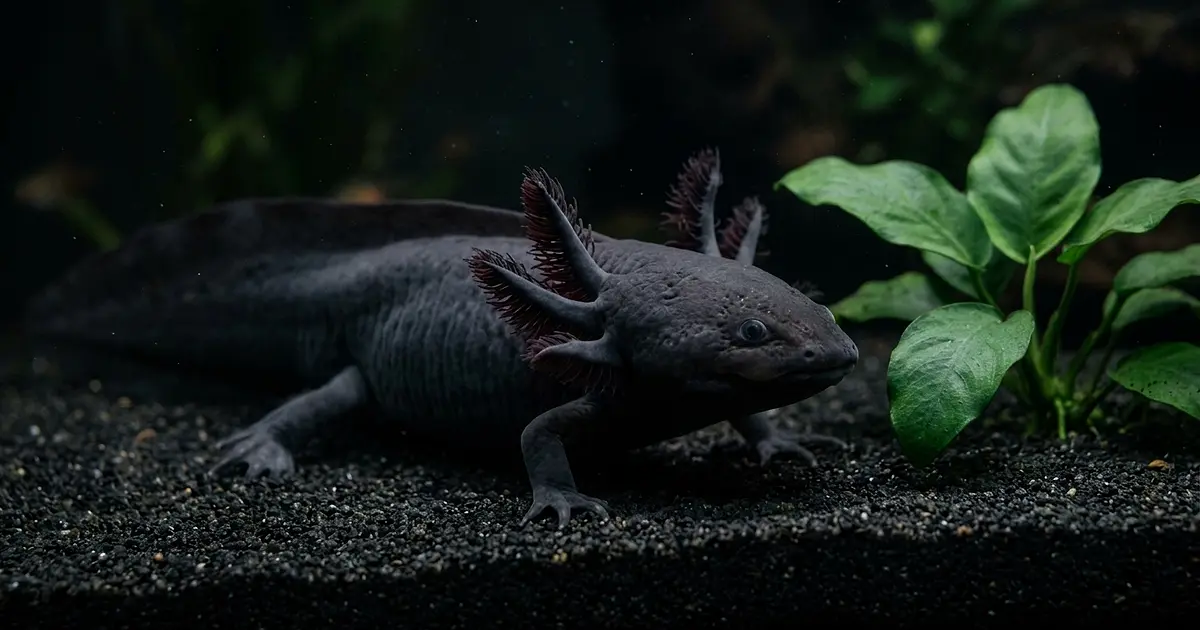
Melanoid Axolotl: The Black Morph Explained
Melanoid axolotl morph: solid black coloration without iridescent spots, melanoid genetics, matte appearance, pricing, and comparison with wild type.
Read more