
A Visually Striking Warm-Toned Morph
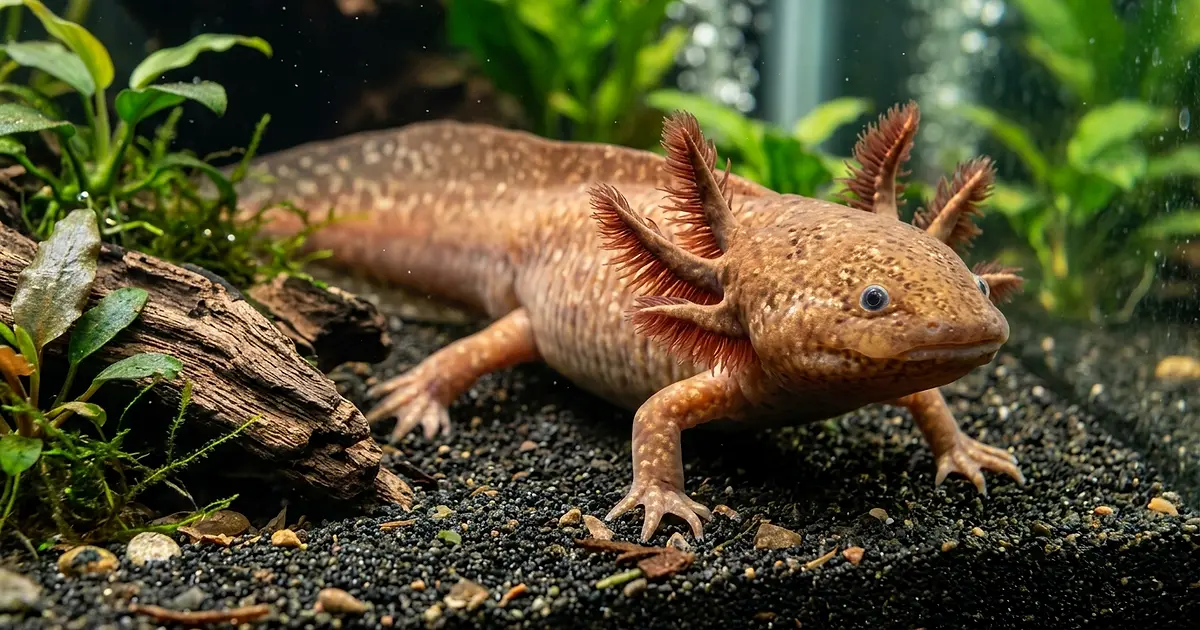
The copper axolotl is one of the most visually appealing morphs, with warm reddish-brown tones that set it apart from the more common leucistic or wild type varieties. What makes copper axolotls especially interesting is their dramatic color change over time: a pale peach baby can become a rich cinnamon-brown adult over 12-18 months.
Copper is a form of albinism, meaning these axolotls lack melanin but retain other pigment cells that produce their distinctive warm coloration.
Copper Axolotl Appearance
How Copper Compares to Other Albino Morphs
| Morph | Melanin | Xanthophores | Result |
|---|---|---|---|
| White Albino | None | Low | Pure white body |
| Golden Albino | None | High | Bright gold body |
| Copper | None | Moderate + unique allele | Warm reddish-brown body |
White Albino
Melanin : None
Xanthophores : Low
Result : Pure white body
Copper
Melanin : None
Xanthophores : Moderate + unique allele
Result : Warm reddish-brown body
Genetics: A Unique Albino Variant
What Makes Copper Axolotls Special
Dramatic Color Development
The transformation from pale peach juvenile to rich cinnamon-brown adult is one of the most dramatic color changes in the hobby.
Unique Eye Color
Copper axolotls have distinctive light eyes with a copper or reddish tint, different from the pink eyes of white albinos.
Copper Freckling
As adults, many coppers develop darker copper-toned freckles across their body, adding to their visual appeal.
Warm Undertones
While most morphs are cool-toned (white, black, gray), copper is the only common morph with distinctly warm brown tones.
Light Sensitivity
Because copper axolotls have albino-type eyes, they are slightly more light-sensitive than dark-eyed morphs like wild type or melanoid. Provide extra hides and keep aquarium lighting dim to keep them comfortable.
Copper Axolotl Pricing
| Type | Price Range |
|---|---|
| Standard copper | $50-100 |
| GFP copper | $80-150 |
Standard copper
Price Range : $50-100
GFP copper
Price Range : $80-150
Care Is Identical to Other Morphs
Despite their unique appearance, copper axolotls need the exact same care as any other morph. Temperature 16-20°C, minimum 75 liter tank, earthworms and pellets for diet, and fine sand or bare bottom for substrate. The only extra consideration is slightly dimmer lighting.
Explore All Axolotl Colors
Copper is just one of many beautiful axolotl morphs. Discover leucistic, melanoid, GFP, golden, and more.
Frequently Asked Questions
Frequently Asked Questions
Do copper axolotls change color?
Are copper axolotls albino?
Related Articles
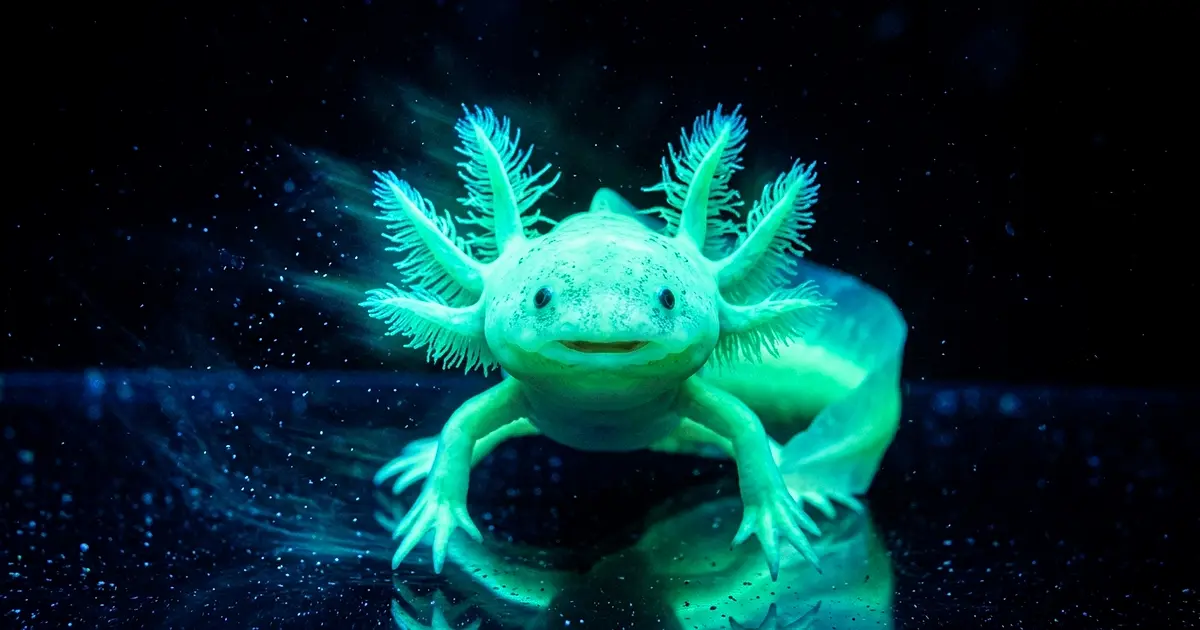
Blue Axolotl: Do They Really Exist?
The truth about blue axolotls. Learn why they appear blue in photos, what GFP means, and which axolotl morphs actually exist in real life.
Read more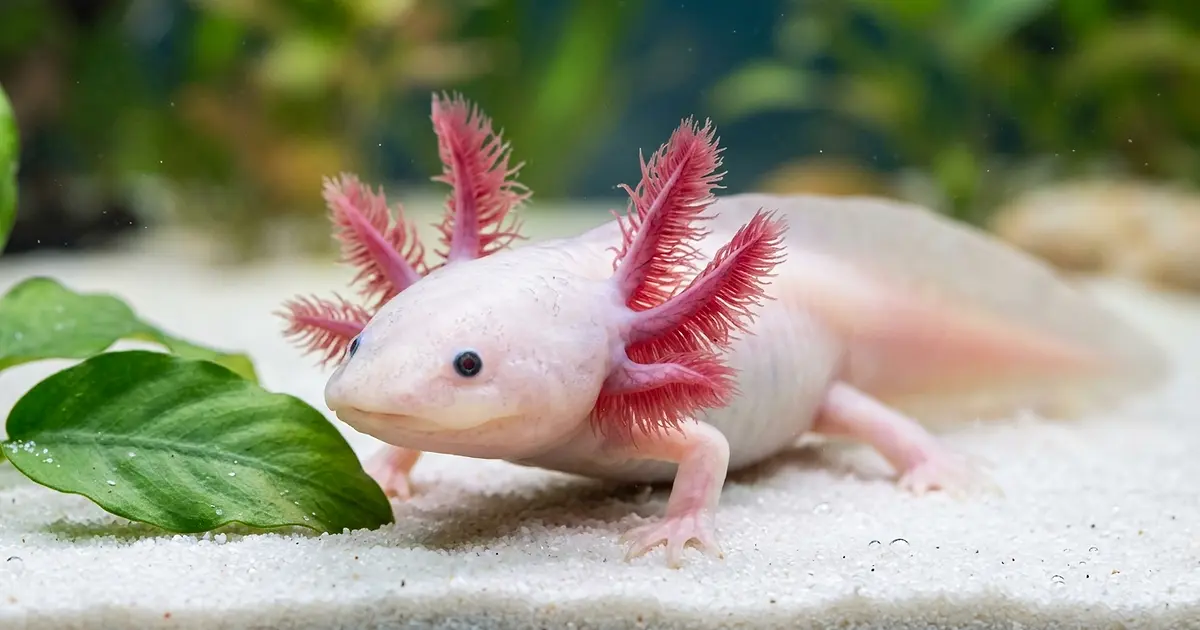
Leucistic Axolotl: The Most Popular Pet Morph
Leucistic axolotl (Lucy): the iconic pink-white morph with dark eyes. Appearance, genetics, dirty Lucy variant, albino comparison, pricing, and care tips.
Read more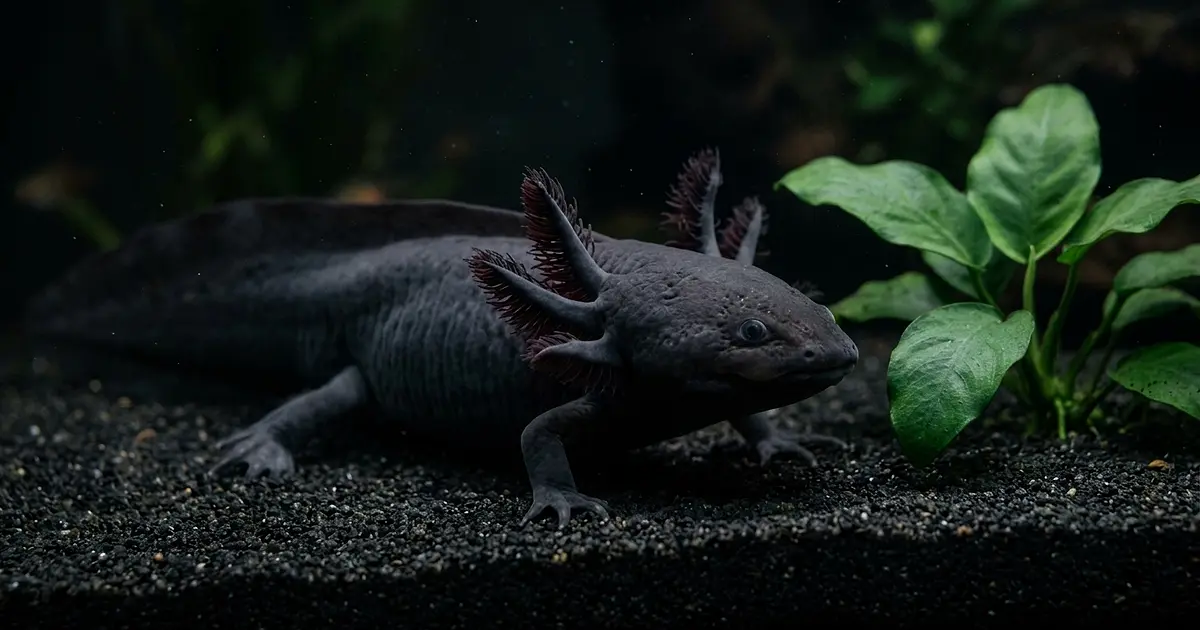
Melanoid Axolotl: The Black Morph Explained
Melanoid axolotl morph: solid black coloration without iridescent spots, melanoid genetics, matte appearance, pricing, and comparison with wild type.
Read more