
What Makes an Axolotl Albino?
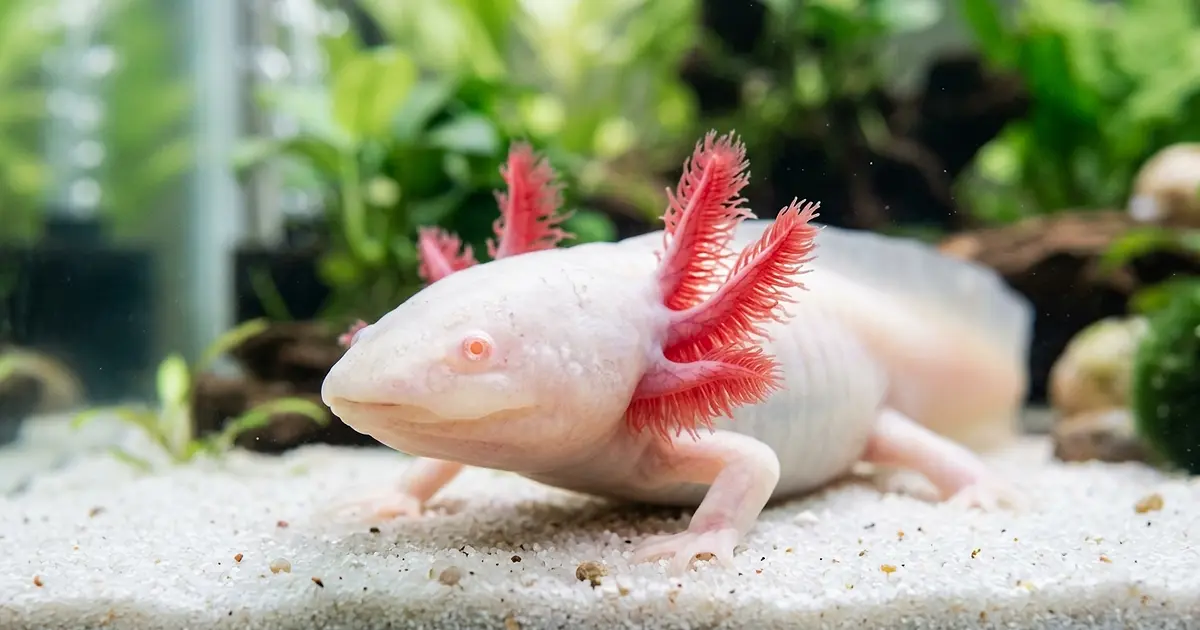
Albino axolotls are among the most recognizable morphs in the hobby. They come in two main varieties: the white albino and the golden albino, both sharing the hallmark red or pink eyes that define true albinism.
Albinism in axolotls is caused by a mutation in the "a" gene that prevents the production of melanin. Without melanin, the animal cannot produce black or brown pigment anywhere in its body, including the eyes. This is why albino axolotls always have red or pink eyes where blood vessels show through the unpigmented iris.
The "a" gene is autosomal recessive. Both parents must carry at least one copy for albino offspring to appear. Breeding two albinos together produces 100% albino babies.
White Albino vs Golden Albino
White Albino
- ✓Pale white to light pink body
- ✓Red or pink eyes
- ✓Bright pink-red gills
- ✓Never develops dark spots or freckles
- ✓Fewer active xanthophores
- ✓Translucent skin (organs faintly visible)
Golden Albino
- →Warm yellow to orange-gold body
- →Red or pink eyes
- →Pinkish gills with golden tint
- →Color intensity varies with diet and age
- →Active xanthophores (creates gold)
- →Juveniles start paler, deepen with maturity
White Albino vs Golden Albino vs Leucistic
| Feature | White Albino | Golden Albino | Leucistic |
|---|---|---|---|
| Eye color | Red/pink | Red/pink | Dark (black/brown) |
| Body color | White-pink | Yellow-gold-orange | White-pink |
| Dark spots | Never | Never | May develop over time |
| Light sensitivity | Increased | Increased | Normal |
| Melanin | Absent | Absent | Present in eyes only |
| Xanthophores | Reduced | Active (creates gold) | Reduced |
Eye color
White Albino : Red/pink
Golden Albino : Red/pink
Leucistic : Dark (black/brown)
Body color
White Albino : White-pink
Golden Albino : Yellow-gold-orange
Leucistic : White-pink
Dark spots
White Albino : Never
Golden Albino : Never
Leucistic : May develop over time
Light sensitivity
White Albino : Increased
Golden Albino : Increased
Leucistic : Normal
Melanin
White Albino : Absent
Golden Albino : Absent
Leucistic : Present in eyes only
Xanthophores
White Albino : Reduced
Golden Albino : Active (creates gold)
Leucistic : Reduced
How to Tell Them Apart
Genetics: How Albino Combines with Other Genes
| Combination | Result |
|---|---|
| Albino + standard xanthophores | Golden albino |
| Albino + reduced xanthophores | White albino |
| Albino + melanoid gene | Melanoid albino (white body, dark-ish eyes) |
| Albino + GFP | Intense green glow under UV (very bright due to lack of pigment) |
Albino + standard xanthophores
Result : Golden albino
Albino + reduced xanthophores
Result : White albino
Albino + melanoid gene
Result : Melanoid albino (white body, dark-ish eyes)
Albino + GFP
Result : Intense green glow under UV (very bright due to lack of pigment)
Care Tips for Albino Axolotls
Temperature
16-20°C, same as all morphs. Never above 23°C.
Light Sensitivity
Avoid bright overhead lighting. Provide floating plants and multiple hides for shade.
Diet
Earthworms, pellets, bloodworms. Carotenoid-rich foods may enhance golden albino color.
Water Quality
pH 6.5-8.0, ammonia and nitrite at 0 ppm. Minimum 75 liters with hides.
Color Enhancement for Golden Albinos
Diet can influence color intensity in golden albinos. Foods naturally rich in carotenoids may enhance the golden-orange hue over time: red wigglers (in moderation), salmon-based pellets, and bloodworms. This is a gradual effect, not a dramatic transformation. A balanced diet matters more than color enhancement.
Price and Availability
| Morph | Typical Price |
|---|---|
| White albino | $35-65 |
| Golden albino | $40-75 |
| GFP white albino | $55-100 |
| GFP golden albino | $60-110 |
White albino
Typical Price : $35-65
Golden albino
Typical Price : $40-75
GFP white albino
Typical Price : $55-100
GFP golden albino
Typical Price : $60-110
Health Notes for Albino Axolotls
Explore More Axolotl Morphs
Albino axolotls are just one of over 20 beautiful color varieties. Compare them with other morphs to find your favorite.
Frequently Asked Questions
Frequently Asked Questions
What is the difference between a white albino and a golden albino axolotl?
Are albino axolotls blind?
How can I tell an albino axolotl from a leucistic?
Related Articles
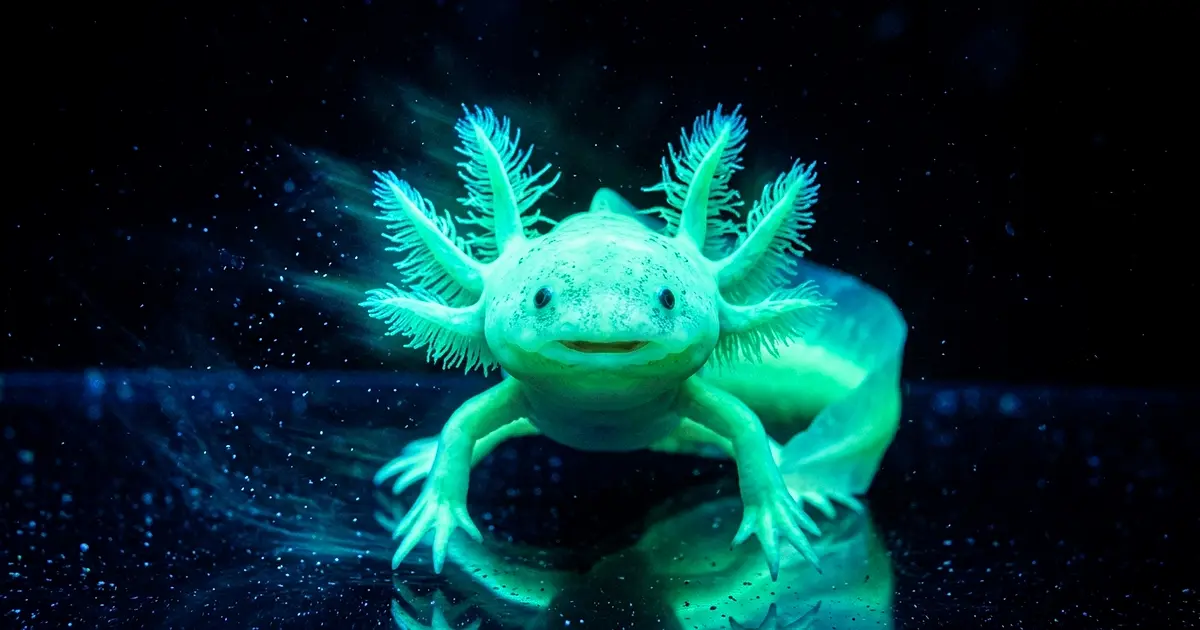
Blue Axolotl: Do They Really Exist?
The truth about blue axolotls. Learn why they appear blue in photos, what GFP means, and which axolotl morphs actually exist in real life.
Read more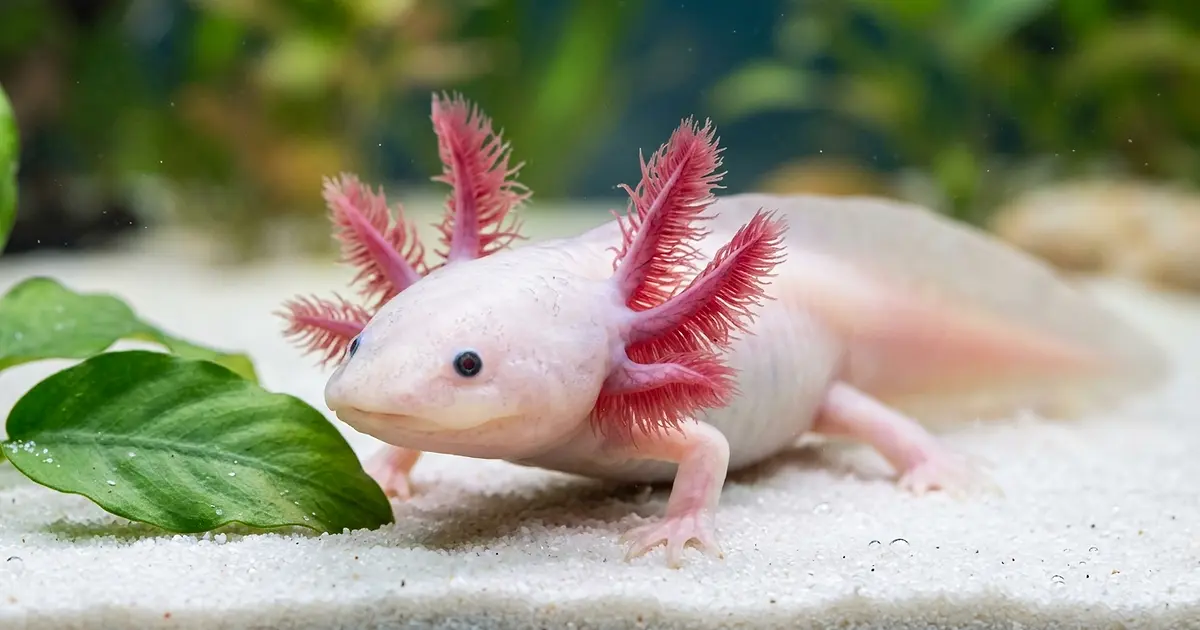
Leucistic Axolotl: The Most Popular Pet Morph
Leucistic axolotl (Lucy): the iconic pink-white morph with dark eyes. Appearance, genetics, dirty Lucy variant, albino comparison, pricing, and care tips.
Read more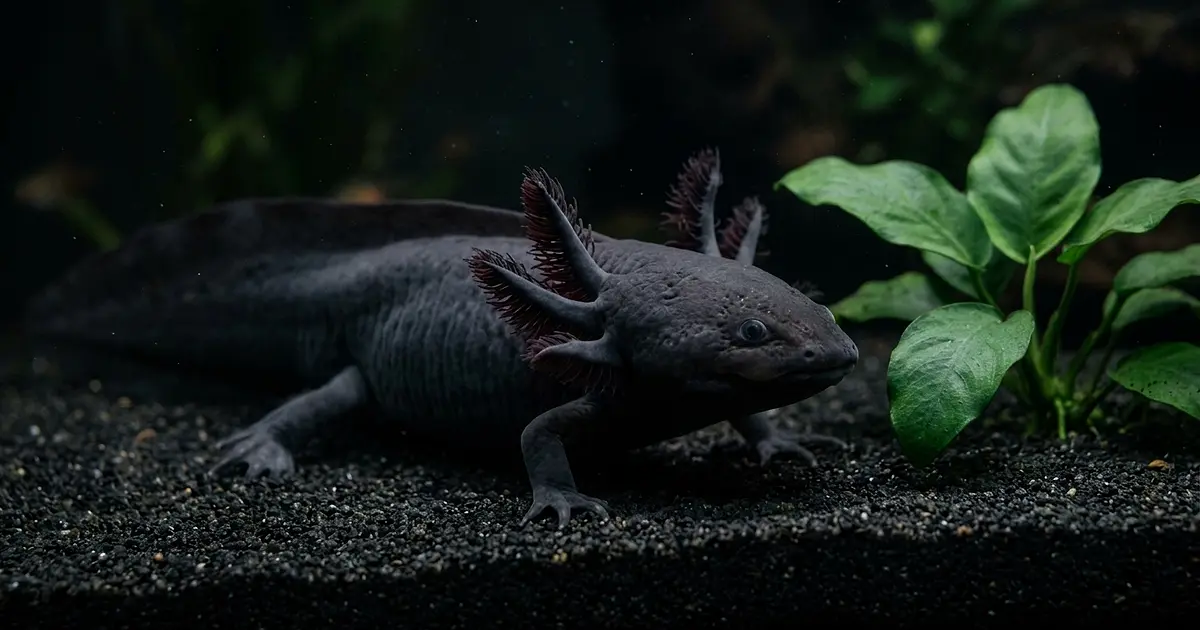
Melanoid Axolotl: The Black Morph Explained
Melanoid axolotl morph: solid black coloration without iridescent spots, melanoid genetics, matte appearance, pricing, and comparison with wild type.
Read more