
Check Before You Buy
Before purchasing an axolotl, you must verify your local laws. State, county, and city regulations can all differ. Owning an axolotl illegally can result in confiscation, fines, and misdemeanor charges. Once you confirm legality, see our guide on where to buy an axolotl from reputable sources.
States Where Axolotls Are ILLEGAL
| State | Status | Reason |
|---|---|---|
| California | Banned, no permit available | Invasive species risk to native salamanders |
| New Jersey | Banned | Exotic species regulations |
| Maine | Banned | Wildlife import restrictions |
| Virginia | Banned | Non-native species regulations |
California
Status : Banned, no permit available
Reason : Invasive species risk to native salamanders
New Jersey
Status : Banned
Reason : Exotic species regulations
Maine
Status : Banned
Reason : Wildlife import restrictions
Virginia
Status : Banned
Reason : Non-native species regulations
States With Restrictions (Permit Required)
| State | Requirement |
|---|---|
| New Mexico | Import permit required |
| Hawaii | Banned (virtually all non-native species prohibited) |
New Mexico
Requirement : Import permit required
Hawaii
Requirement : Banned (virtually all non-native species prohibited)
States Where Axolotls Are Legal
Axolotls are legal without permit in the remaining 44+ states, including popular states like Texas, Florida, New York, Pennsylvania, Ohio, Illinois, Georgia, North Carolina, Michigan, Arizona, Colorado, Washington, Oregon, and all others not listed above.
Always verify current local laws. City and county regulations may differ from state laws. Some municipalities have additional restrictions on exotic pets.
International Legality
| Country | Status |
|---|---|
| United States | Legal in most states (see above) |
| Canada | Legal in most provinces |
| United Kingdom | Legal, no permit needed |
| Germany | Legal, no permit needed |
| France | Legal, no permit needed |
| Spain | Legal, check regional regulations |
| Australia | Banned (strict biosecurity laws) |
| New Zealand | Banned |
| Mexico | Legal to own, illegal to collect from the wild (protected species) |
United States
Status : Legal in most states (see above)
Canada
Status : Legal in most provinces
United Kingdom
Status : Legal, no permit needed
Germany
Status : Legal, no permit needed
France
Status : Legal, no permit needed
Spain
Status : Legal, check regional regulations
Australia
Status : Banned (strict biosecurity laws)
New Zealand
Status : Banned
Mexico
Status : Legal to own, illegal to collect from the wild (protected species)
Why Are Axolotls Banned in Some Places?
CITES Appendix II Status
Respect the Law
These bans exist for legitimate ecological reasons. If you live in a state where axolotls are prohibited, please respect the law. There are other fascinating aquatic pets legal in your area. If axolotls are legal where you live, check out our axolotl price guide to budget your purchase.
Ready to Buy an Axolotl?
Confirmed that axolotls are legal in your state? Find out how much they cost and where to get a healthy one.
Frequently Asked Questions
Frequently Asked Questions
Why are axolotls illegal in California?
Can I get a permit to own an axolotl in a state where they are banned?
What happens if I get caught with an illegal axolotl?
Related Articles
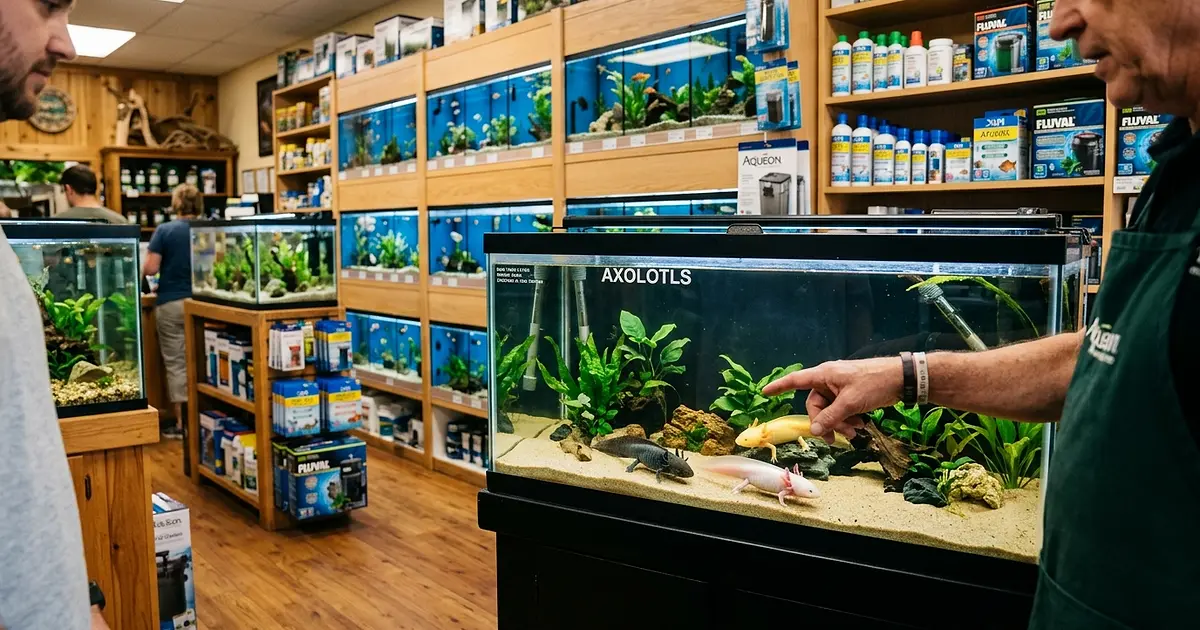
Where to Buy Axolotls: Trusted Breeders & Shops
Find reputable axolotl sellers: online breeders, pet stores, and local sources. Red flags to watch for and how to verify a seller's reputation.
Read more
Axolotl Laws in California: Legality and Bans
Are axolotls legal in California? No. Learn why axolotls are banned, what penalties you face, and what alternative pets are legal in California.
Read more Axolotl Laws in New Jersey: Legality and Bans
Are axolotls legal in New Jersey? No. Learn why NJ bans axolotls, what penalties apply, and what exotic pet alternatives are available.
Read more