
Axolotls Are Illegal in New Jersey
Keeping an axolotl as a pet in New Jersey is prohibited under the state's exotic species regulations (N.J.A.C. 7:25-4). No permit is available for private ownership. Violators face confiscation, fines, and potential charges. For a full overview of all states, see our state-by-state legality guide.
The New Jersey Axolotl Ban Explained
Axolotls are illegal to own as pets in New Jersey. The state classifies them as potentially dangerous exotic species under New Jersey Administrative Code 7:25-4. This regulation governs the possession of exotic and non-native wildlife, and axolotls fall squarely within its scope.
New Jersey takes a broad approach to wildlife regulation. The state maintains a list of species that are prohibited without permit, and axolotls (as non-native amphibians in the genus Ambystoma) are included. The NJ Division of Fish and Wildlife enforces these rules to prevent ecological damage from non-native species introductions.
Unlike some restricted species in New Jersey, axolotls have no permit pathway for private individuals. Permits may only be granted to accredited research institutions, zoos, and educational facilities under strict conditions.
Why New Jersey Bans Axolotls
Penalties for Illegal Axolotl Possession
If you are found in possession of an axolotl in New Jersey, you face several potential consequences. The animal will be confiscated by the Division of Fish and Wildlife. You may receive fines under the state's exotic species violation framework. Repeat offenders or those involved in selling illegal exotic animals face stiffer penalties.
Online sellers who ship axolotls to New Jersey addresses also take a risk. Packages containing live animals can be flagged, and both buyer and seller may face consequences. No online listing claiming to ship to NJ changes the law.
Legal Neighbors: States Around New Jersey
The good news for axolotl enthusiasts in the broader region is that most neighboring states allow axolotl ownership:
New York: legal, no permit needed. Pennsylvania: legal, no permit needed. Connecticut: legal, no permit needed. Delaware: legal, no permit needed.
However, purchasing an axolotl in a neighboring state and bringing it into New Jersey is still illegal. If you plan to move to NJ from a state where axolotls are legal, you must rehome your pet before relocating.
Legal Amphibian Alternatives in New Jersey
Several captivating amphibians and aquatic pets are legal to own in New Jersey:
African dwarf frogs are fully aquatic, small, and engaging to watch, sharing many qualities with axolotls. Fire-bellied toads are colorful and active. Pac-Man frogs (Ceratophrys) are impressive, chunky amphibians with entertaining feeding responses. Many tropical fish species offer beautiful aquatic pet experiences without any legal concerns.
For those specifically drawn to the axolotl's aquatic lifestyle, African dwarf frogs in a planted tank come closest to recreating the experience.
Stay Informed
Exotic pet regulations can change. Always verify current laws with the New Jersey Division of Fish and Wildlife before acquiring any exotic species. Check our complete state-by-state axolotl legality guide for the latest information on all US states.
Live in a Legal State?
If axolotls are legal where you live, find out what they cost and where to buy a healthy one.
Frequently Asked Questions
Frequently Asked Questions
Can you own an axolotl in New Jersey?
Why are axolotls illegal in New Jersey?
Can I get a special permit for an axolotl in New Jersey?
What states near New Jersey allow axolotls?
Related Articles
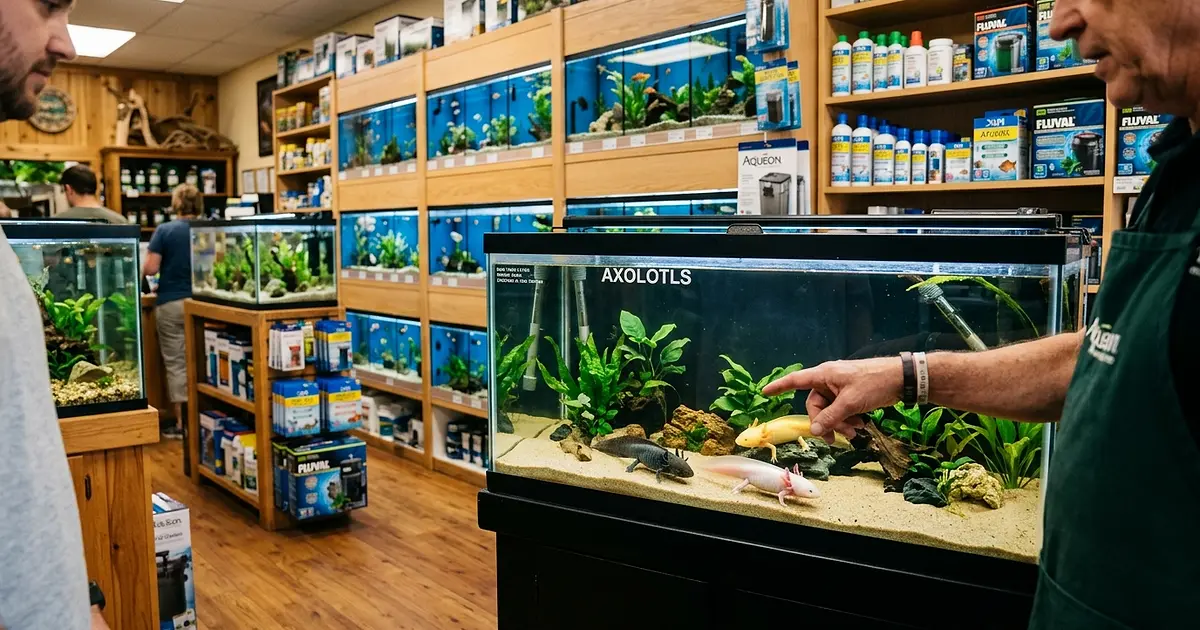
Where to Buy Axolotls: Trusted Breeders & Shops
Find reputable axolotl sellers: online breeders, pet stores, and local sources. Red flags to watch for and how to verify a seller's reputation.
Read more
Where Are Axolotls Legal? State-by-State Guide 2026
Check if axolotls are legal in your state. Complete US legality map plus international laws. California, New Jersey, Virginia, and more.
Read more Axolotl Laws in California: Legality and Bans
Are axolotls legal in California? No. Learn why axolotls are banned, what penalties you face, and what alternative pets are legal in California.
Read more